

How Do You Know If You Have Rats in Your Buffalo Home?
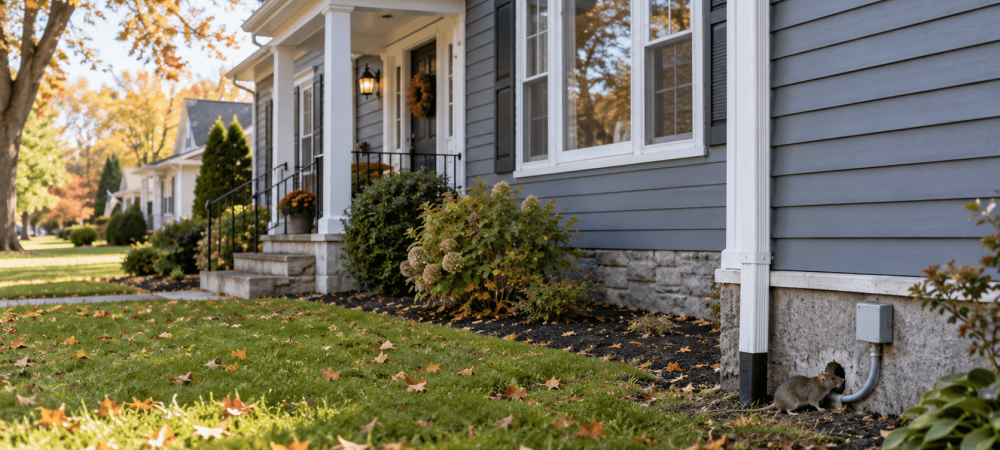
A homeowner guide to recognizing rat activity before the problem grows
Bottom Line Up Front
You do not have to see a live rat to know one may be inside your Buffalo home. Droppings, nighttime noises, grease marks, gnawing, nesting material, burrows, and stale odors can all point to rat activity. One clue by itself may have another explanation, but several signs in the same area deserve prompt attention. Rats can contaminate food and surfaces, damage building materials, and enlarge openings as they travel through a structure.
TL;DR — Key Takeaways
- Rat activity is often discovered through evidence rather than a direct sighting.
- Fresh droppings, repeated nighttime noises, greasy travel marks, and larger gnaw marks are among the most useful clues.
- Basements, garages, crawl spaces, utility openings, and areas near stored food or garbage deserve close inspection.
- Do not sweep or vacuum dry rodent droppings. Wet them with an appropriate disinfectant and follow current CDC cleanup guidance.
- Removing rats without addressing entry points, food, water, and shelter can allow the activity to return.
Seven Signs You May Have Rats
Rats are cautious and usually active after dark, so the first warning is often something they leave behind. Look for patterns and note whether the evidence appears fresh, repeated, or concentrated in one part of the home.
1. Rat Droppings
Rat droppings are larger than mouse droppings and are often found along walls, near food, under sinks, inside cabinets, or near hidden travel routes. Their size and shape can vary, so droppings alone should not be used to identify the species. Fresh droppings tend to look darker and may appear slightly shiny, while older droppings become dull and dry.
2. Scratching, Scurrying, or Thumping at Night
Rats are mostly active when the house is quiet. You may hear scratching, running, or heavier thumping from walls, ceilings, basements, crawl spaces, or behind cabinets. A single sound does not confirm rats, but repeated noises at similar times and locations can help narrow down where activity is occurring.
3. Grease Marks Along Walls and Pipes
Rats often use the same routes between nesting areas, food, and water. As their bodies repeatedly brush against walls, pipes, beams, or floor edges, oils and dirt from their fur may leave dark smudges. A worn path or repeated marks along the same edge can indicate an established runway.
4. Gnaw Marks and Damaged Materials
Rats may chew food packaging, plastic containers, wood, insulation, doors, and wiring. Larger, rougher gnaw marks may suggest rats rather than mice. Damaged wiring should be evaluated promptly because exposed conductors can create an electrical hazard.
Any suspected damage around electrical wiring should be inspected promptly by an appropriate licensed electrical professional.
5. Shredded Nesting Material
Rats may build nests from paper, fabric, insulation, cardboard, and other soft material. Nests are usually tucked into protected areas such as wall voids, cluttered storage spaces, crawl spaces, basements, or behind appliances. Finding shredded material together with droppings or gnawing makes rodent activity more likely.
6. Burrows Near the Foundation
Norway rats commonly burrow at ground level. Watch for openings near foundations, porches, sheds, garbage storage areas, dense vegetation, or woodpiles. Freshly disturbed soil, smooth entrance edges, or a worn trail leading to an opening may indicate current use.
7. Persistent Stale or Musky Odors
Urine, droppings, nesting material, or a dead rodent can create a stale or musky odor in enclosed spaces. Odor alone cannot confirm a rat infestation, but it can help identify a hidden area that needs further inspection.
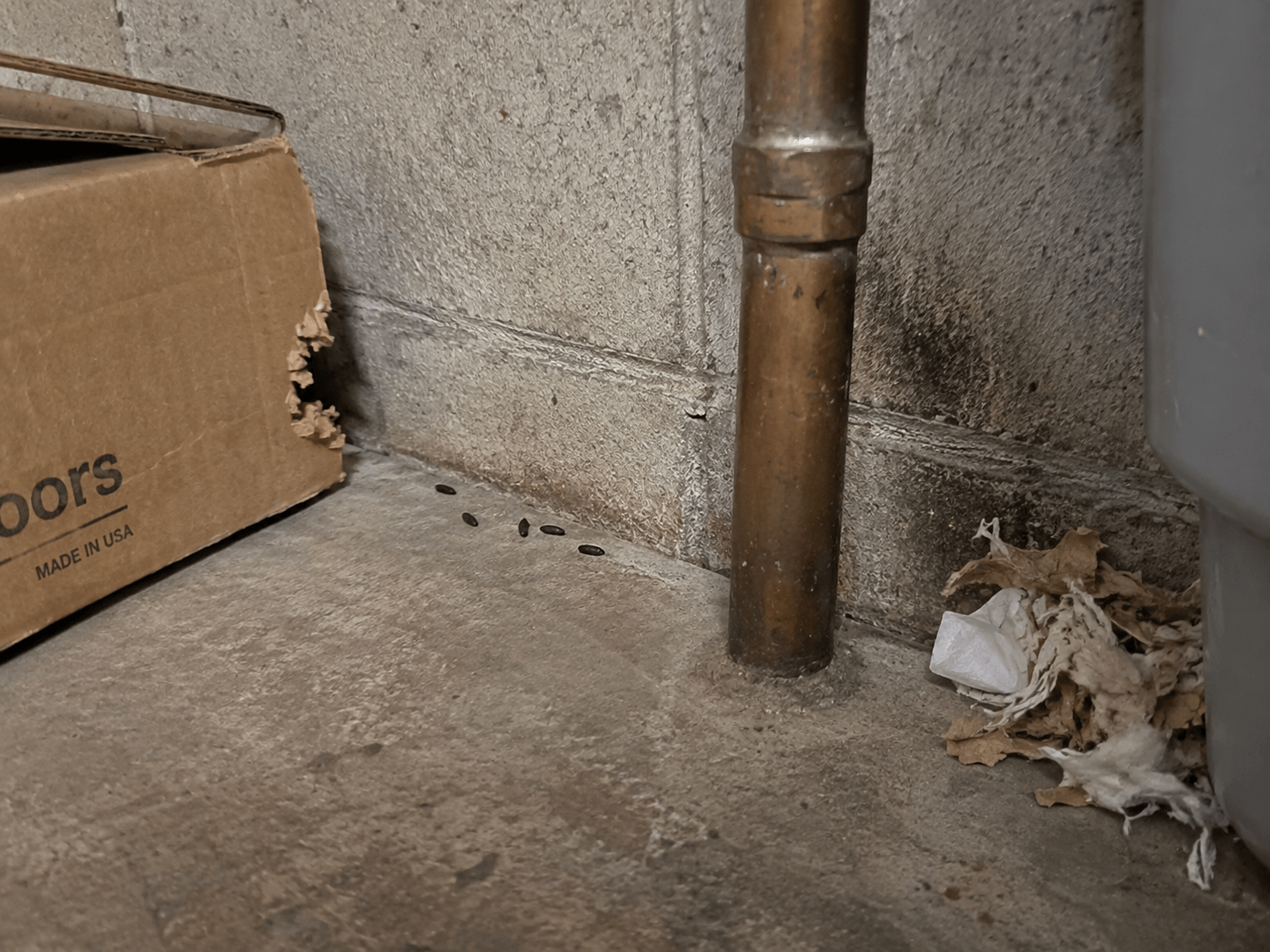
Image 1: Droppings, grease marks, gnawing, and shredded nesting material can all indicate rat activity, especially when several clues appear in the same area.
What Rat Evidence Can Tell You
| Clue | Where to Look | What It May Suggest |
|---|---|---|
| Droppings | Cabinets, food storage, floor edges, under sinks | A feeding or travel area nearby |
| Noises | Walls, ceilings, basements, crawl spaces | Movement through hidden structural spaces |
| Grease marks | Walls, pipes, beams, floor edges | A route being used repeatedly |
| Gnawing | Packages, wood, plastic, wiring | Access to food or an opening being enlarged |
| Burrows | Foundations, sheds, garbage areas, vegetation | Possible ground-level nesting or entry |
| Nesting material | Wall voids, storage, insulation, behind appliances | A protected resting or breeding area |
Table 1. Common signs of rat activity and what each clue may indicate in a Buffalo home.
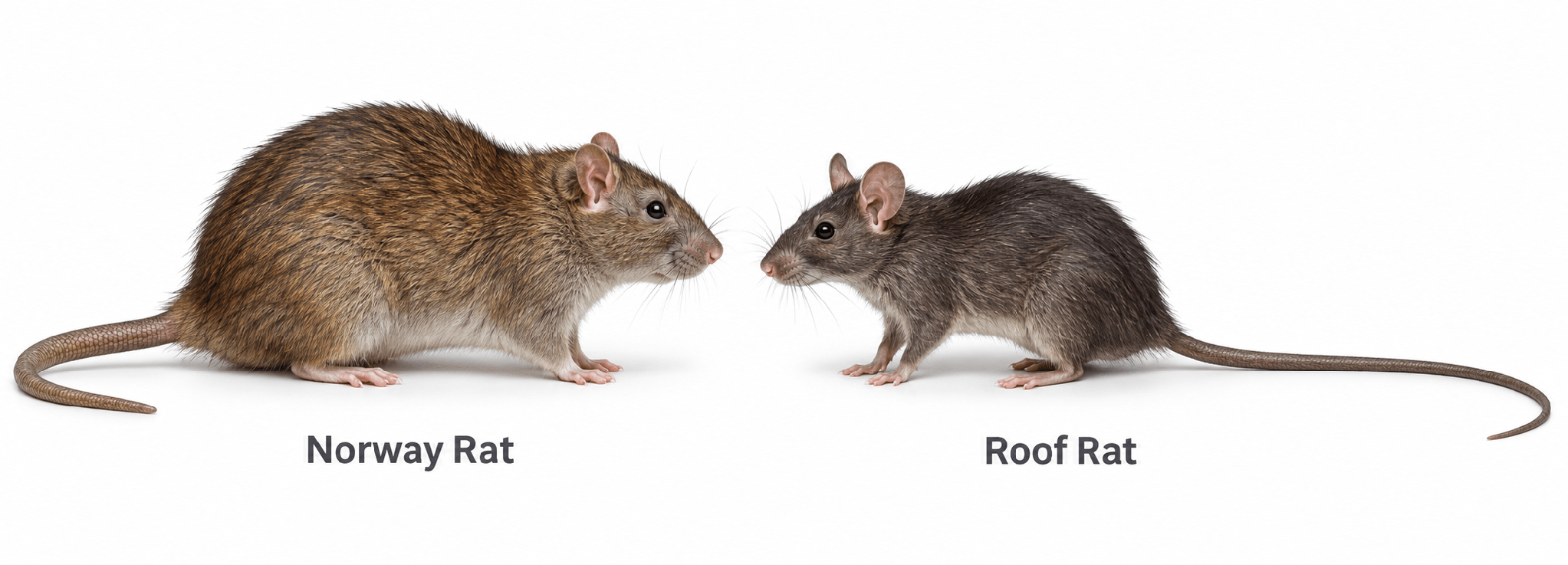
Image 2: Rat droppings are generally larger than mouse droppings, but identification should consider their location and other evidence as well as size.
The Rat Most Commonly Found Around Buffalo Properties
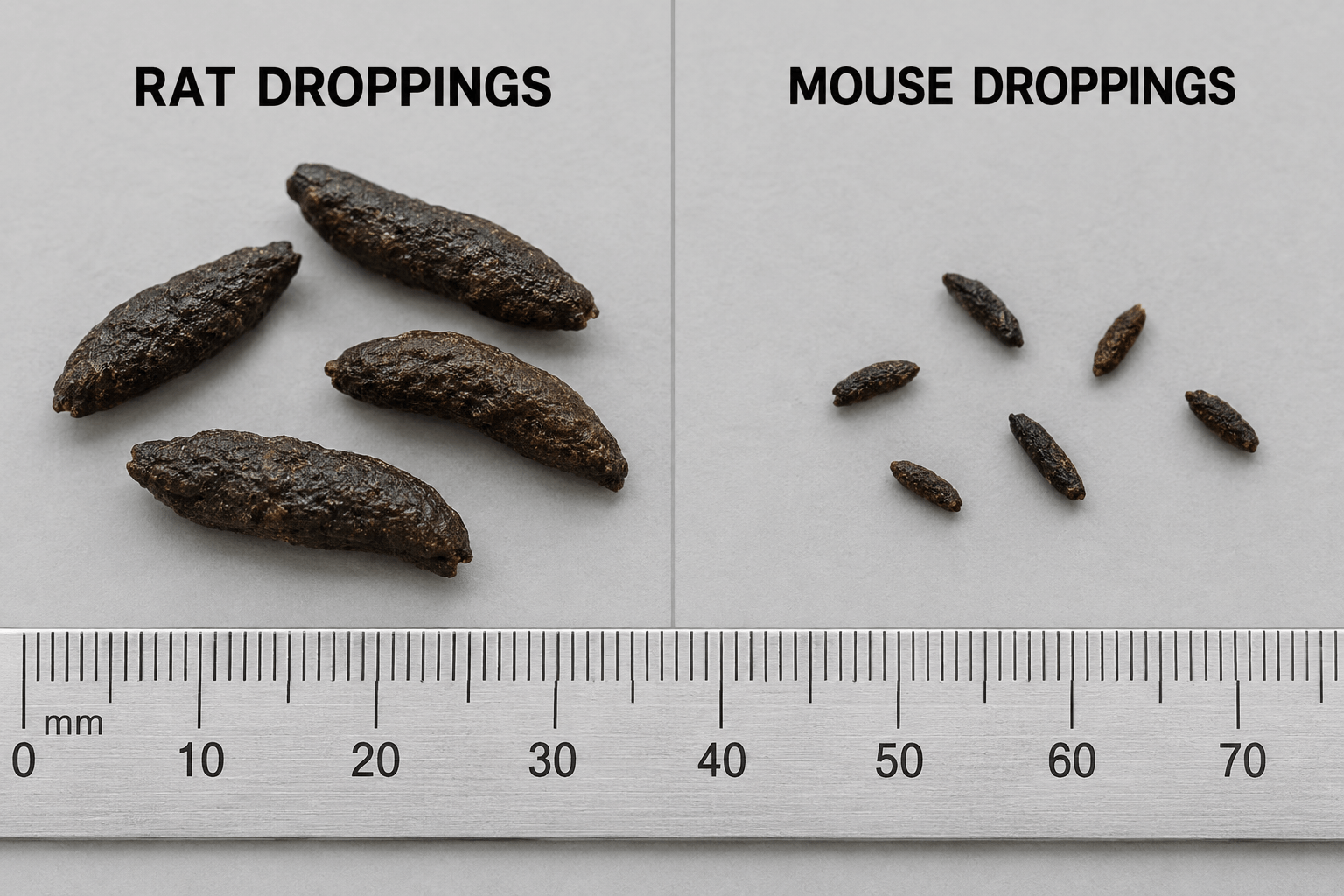
Image 3: Norway rats are stockier and usually stay closer to ground level, while roof rats are slimmer, longer-tailed climbers that prefer elevated areas.
The Norway rat is the rat most commonly encountered around homes and other properties in Buffalo and Western New York. Because Norway rats tend to remain closer to ground level, evidence is often found near foundations, basements, crawl spaces, garages, burrows, and other lower areas of a structure.
Common entry points include gaps where concrete foundations meet siding, worn areas around garage doors, and openings around pipes, cables, vents, and other utility penetrations. Norway rats may also enlarge existing gaps by gnawing.
Roof rats are different. They are generally slimmer and more agile climbers, making them more likely to travel through trees, rooflines, attics, soffits, and other elevated areas. Roof rats are less commonly encountered around Buffalo properties than Norway rats, but signs in upper portions of a building should still be inspected carefully. The location of the evidence can offer a useful clue, although a professional inspection is the best way to confirm which rodent is present.
Where Should You Check for Rats?

Image 4: Common places to check for rat activity include basements, garages, storage areas, kitchens, attics, sheds, and gaps along the exterior of the home.
Start where rats are most likely to find shelter, food, water, or a way inside. Use a flashlight and avoid reaching into areas you cannot see clearly.
- Basement and crawl-space walls, especially where pipes and utility lines enter
- Attached garages, especially garage corners and the lower corners of garage doors where worn door sweeps or small gaps may provide access
- Behind refrigerators, stoves, dishwashers, and lower cabinets
- Pantries, pet-food storage, bird-seed storage, and garbage areas
- Attics, soffits, vents, and roofline openings if activity appears above the living space
- Detached garages and sheds, especially protected corners and areas along walls
- Storage areas containing cardboard boxes, soft storage bags, clothing, holiday decorations, or other seasonal belongings, especially items stored directly on the floor
- The exterior foundation, under porches, around sheds, and beside dense vegetation or woodpiles
Detached garages and sheds can provide quiet nesting areas before rats move closer to or enter the main structure. Attached garages deserve particular attention because they can give rats an easier route into the home.
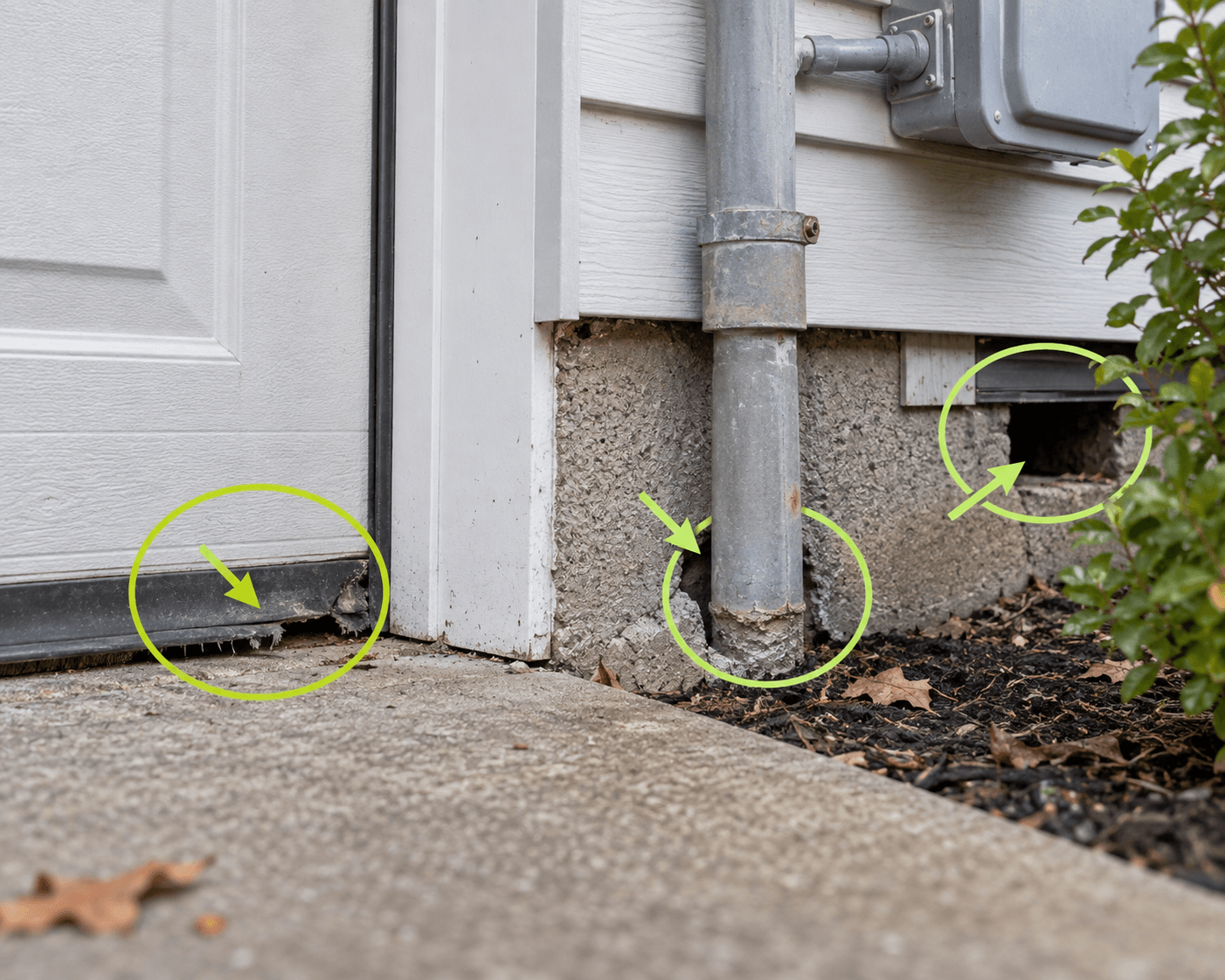
Image 5: inspect garage doors, foundation gaps, vents, and utility openings for damage or spaces rats may use to enter the home.
Why Buffalo Homes Can Develop Rat Problems
Rat pressure in Buffalo and Western New York can change with the season. As temperatures fall and outdoor food becomes harder to find, rodents may seek stable shelter inside buildings. Eco Serve explains this seasonal movement in Why Mice and Rats Move Indoors When Temperatures Drop. Older foundations, gaps around utilities, worn garage-door seals, damaged vents, nearby garbage, and sheltered exterior areas can all make access easier.
For a broader look at year-round pressure, see Eco Serve's Seasonal Rodent Control in Buffalo and Western New York guide. Homeowners near Tonawanda can also use the prevention checklist in How to Prevent a Rodent Infestation in Tonawanda.
Do You Have Rats or Mice?
The location and scale of the evidence can help, but a quick sighting or one dropping is not always enough for a reliable identification. Rats generally leave larger droppings, larger gnaw marks, heavier noises, and more noticeable grease marks. Mice leave smaller, rice-like droppings and finer gnawing. A professional inspection can confirm which rodent is present and identify the routes it is using.
What to Do If You Find Rat Droppings
Avoid sweeping or vacuuming dry droppings, urine, or nesting material. This can send contaminated particles into the air. The CDC cleanup guidance recommends ventilating enclosed spaces, wearing rubber or plastic gloves, thoroughly wetting the material with an appropriate disinfectant, allowing the required contact time, and wiping it up with paper towels. Follow the product label and use additional precautions for heavy infestations.
Keep children and pets away from the area while it is being evaluated and cleaned. If droppings are widespread, the contamination is inside air ducts, or you are unsure how extensive the activity is, contact qualified professionals before disturbing the area.
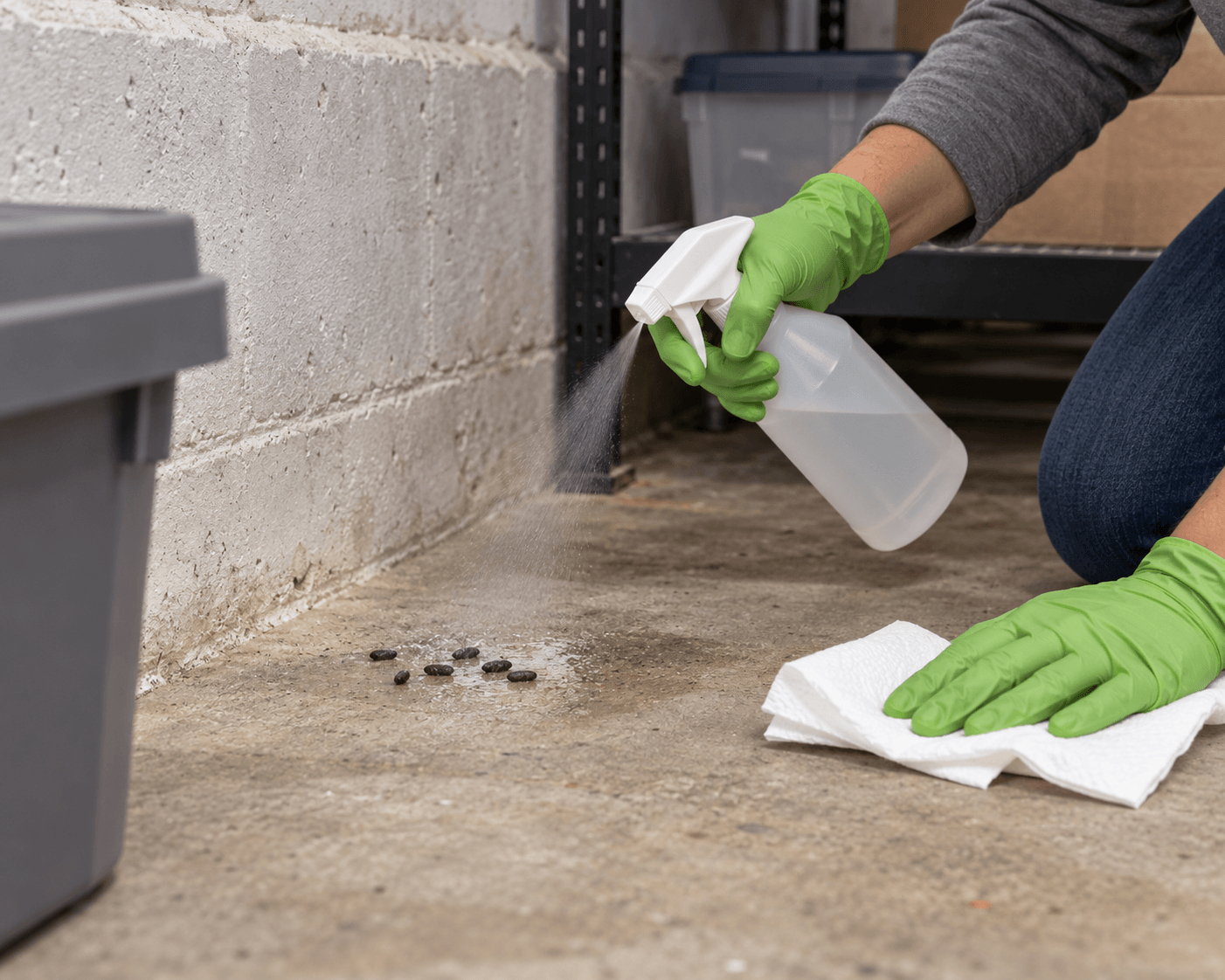
Image 6: Wet rodent droppings thoroughly with an appropriate disinfectant before wiping them up. Do not sweep or vacuum dry droppings.
How to Make Your Home Less Attractive to Rats
The EPA's rodent prevention guidance emphasizes removing food, water, and shelter while sealing openings inside and outside the home. Practical steps include:
- Keep garbage in containers with tight-fitting lids.
- Store pantry goods, pet food, and bird seed in durable sealed containers.
- Clean up crumbs, spills, and pet food rather than leaving them available overnight.
- Repair worn door sweeps, damaged vent screens, and gaps around pipes or utility lines.
- Reduce clutter, leaf piles, dense ground cover, and other sheltered nesting areas near the structure.
- Keep firewood raised and stored away from the house.
- Keep stored belongings elevated off the floor when possible.
- Replace cardboard boxes and soft storage bags with hard plastic totes.
- Inspect gaps around garage doors, paying particular attention to the lower corners and the condition of door sweeps.
When to Call a Rat Control Professional
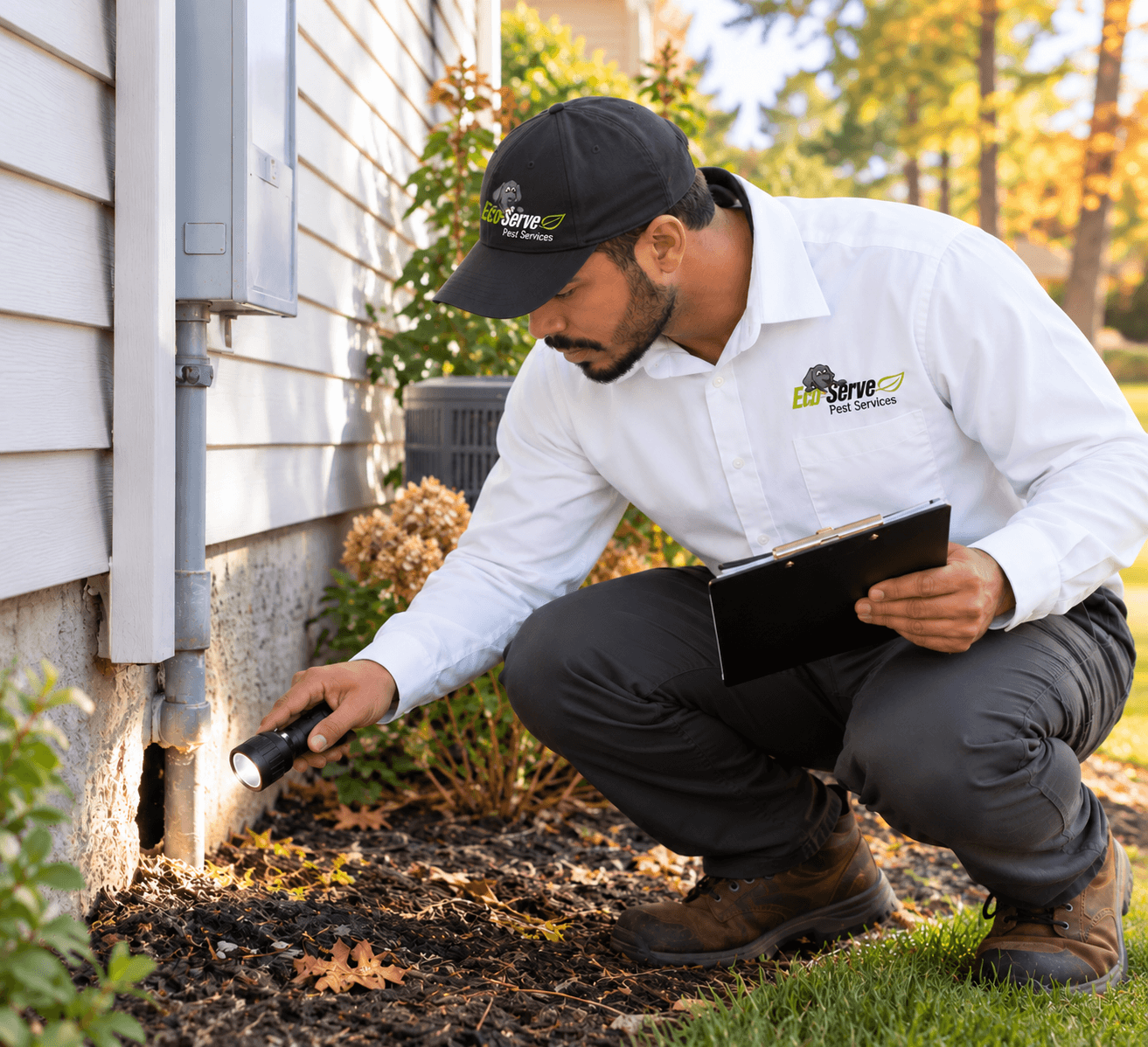
Image 7: A professional inspection can help identify active areas, entry points, and the conditions allowing rat activity to continue.
Consider professional help when you find multiple signs, hear activity repeatedly, discover burrows beside the foundation, see rats during the day, or continue finding fresh evidence after taking preventive steps. A useful inspection should identify the rodent, locate active areas and entry points, and recommend a plan that addresses both current activity and the conditions allowing it to continue.
For homeowners who want ongoing protection, Eco Serve's Eco Guard program provides a proactive approach to common household pest concerns. The program can help address current activity while supporting prevention throughout the year, and customers enrolled in Eco Guard may receive minor entry-point sealing when appropriate. Larger repairs or electrical concerns should still be handled by the appropriate qualified professional. Eco Serve's rodent control services are available throughout Buffalo and Western New York.
Frequently Asked Questions
Protect Your Buffalo Home From Rat Activity
Rat evidence is easier to manage when it is found early. If you notice fresh droppings, repeated nighttime noises, gnawing, burrows, or other signs around your Buffalo home, document where you found them and avoid disturbing contaminated material. Eco Serve Pest Services can inspect the property, identify likely activity and entry areas, and recommend a rodent-control plan for your home.
Contact Eco Serve Pest Services to request help in Buffalo or elsewhere in Western New York.