

Rat Control in Buffalo and Western New York: Identification, Prevention, and Removal
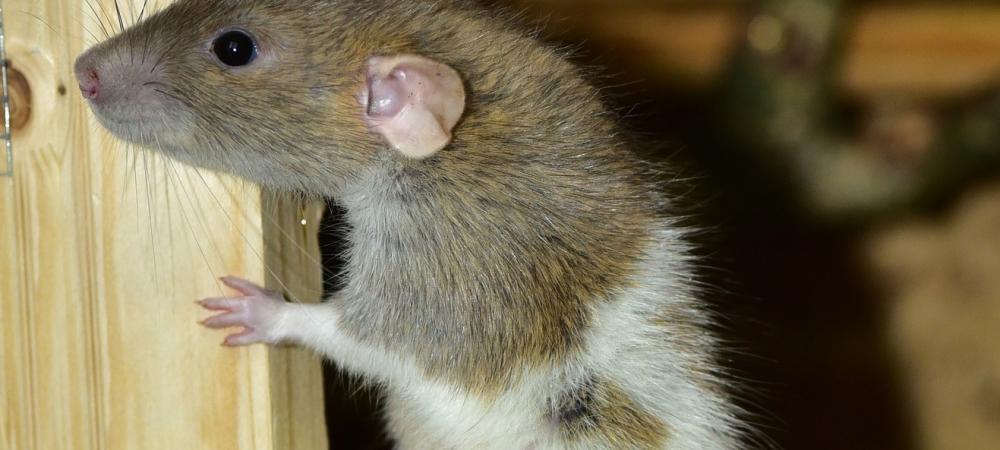
Rats are an increasing concern across Buffalo and Western New York. Urban density, older infrastructure, lakeshore moisture, and seasonal pressure make the region especially prone to Norway rats and roof rats. Once rats gain access to a property, they can cause contamination, property damage, and rapid population growth that becomes difficult to manage without targeted intervention.
This guide explains how to identify rat activity, why infestations occur, how rats enter buildings, and the most effective prevention and control methods for Western New York homes and businesses. It also outlines professional treatment options for long-term protection.
How to Tell If You Have Rats (Signs, Droppings, Noises)
Rats are cautious, highly intelligent animals that often stay hidden until infestations escalate. Early identification is critical, and visual sightings are not always the first clue.
Common indicators of rat activity
- Large droppings: Rat droppings measure roughly ½ to ¾ inch long, often spindle-shaped or blunt-edged depending on the species. They are larger and more robust than mouse droppings.
- Noises in walls, basements, and crawl spaces: Rats produce heavier scratching, scurrying, and thumping noises compared to mice. Activity is
often heard in basements, wall voids, and structural cavities at night. - Grease marks and runway tracks: Rats travel along the same paths repeatedly. Their oily fur leaves smudge marks along walls, pipes, and floor edges.
- Burrows and exterior tunneling: Norway rats frequently build outdoor burrows near foundations, sheds, garbage areas, woodpiles, and thick vegetation. Fresh soil disturbance or holes roughly two to four inches wide may indicate active tunneling.
- Gnawing and structural damage: Rats must chew continually to manage their teeth. They can damage wood framing, doors, plastic, insulation, stored goods, and even electrical wiring.
If several of these signs appear together, a rat infestation is likely and should be addressed promptly.
Why Rats Invade Homes in Western New York (Seasonal and Structural Factors)
Buffalo and WNY experience rat pressures that fluctuate with seasonal cycles, weather patterns, and neighborhood infrastructure. Understanding these local drivers helps explain why rat activity can intensify at certain times of year.
Seasonal drivers
- Autumn movement indoors: When temperatures drop, rats move toward buildings seeking warmth, food, and stable shelter. Many infestations begin between late fall and early winter.
- Winter survival behavior: Snow cover and freezing conditions reduce outdoor food sources, pushing rats to explore basements, crawl spaces, garages, and utility entry points.
- Spring population increases: As temperatures rise, food becomes more available and rat reproduction cycles accelerate, leading to higher activity around properties.
Structural and environmental contributors
- Older Buffalo neighborhoods with aging sewer systems and mixed commercial-residential layouts create ideal rat habitats.
- Dense housing and close-set buildings offer shared structural pathways for movement.
- Poorly sealed foundations, damaged siding, and open gaps provide easy access indoors.
- Food waste, cluttered yards, abandoned properties, and overloaded dumpsters increase exterior attractants.
These combined factors make Western New York a high-risk region for rat infestations year-round.
How Rats Enter the Home (Burrows, Gaps, Utility Lines, Roof Access)
Rats are persistent and physically capable of exploiting nearly any structural weakness. They can enter through openings larger than half an inch and may enlarge gaps using their teeth.
Common entry points
- Burrows near the foundation: Norway rats tunnel beneath slabs, porches, and foundations, often creating hidden access routes directly into basements or crawl spaces.
- Gaps around garage and exterior doors: Worn seals and poorly fitting doors allow rats to squeeze inside. Once in the garage, they often continue into wall voids.
- Utility penetrations and pipe openings: Rats often enter through spaces around gas lines, water lines, sump pump discharge pipes, and electrical conduits.
- Vents and broken screens: Laundry vents, foundation vents, and attic openings with damaged screens are frequent entry points.
- Roof and upper-level access: Roof rats climb gutters, trees, wires, and siding to reach rooflines. They exploit openings in soffits, eaves, and attic vents.
Rats are strong gnawers and can widen small gaps into workable entry points, making timely repair and sealing essential.
Effective Rat Prevention (Sanitation, Exclusion, Yard Management, Waste Control)
Rat prevention requires a combination of structural exclusion, environmental cleanup, and strict sanitation. Because rats are intelligent and cautious, prevention must be consistent to be effective.
Exclusion and seal-up
- Seal openings larger than ½ inch with rodent-proof materials such as metal flashing or
hardware cloth. - Repair damaged door sweeps, screen vents, and foundation cracks.
- Reinforce utility entry points with rodent-resistant mesh.
Sanitation and food management
- Store pantry items in sealed containers.
- Clean up spills immediately and maintain clutter-free kitchens and basements.
- Avoid leaving pet food or bird seed accessible outdoors.
Exterior and yard conditions
- Remove debris, dense vegetation, and ground cover that provide shelter.
- Store firewood off the ground and away from the home.
- Keep lawns trimmed and eliminate standing water sources.
Waste handling
- Use tightly sealed garbage containers.
- Avoid overflowing trash or recycling bins.
- Keep dumpsters closed and clean in multi-unit housing or commercial settings.
Good prevention significantly reduces rat pressure and minimizes the likelihood of infestations developing in the first place.
Dangers of Rats (Health Risks, Structural Damage, Fire Hazards)
Rats pose serious risks to both health and property. Their size, behavior, and feeding habits make them far more destructive than mice.
Health concerns
- Rats contaminate surfaces and stored food with droppings and urine.
- They are known carriers of pathogens such as salmonella and leptospirosis.
- Rat droppings and urine can trigger allergies and respiratory issues.
Structural and electrical damage
Rats chew wiring, PVC pipes, insulation, and wood. Chewed electrical wires increase the risk of shorts and potential fire hazards.
Secondary pests
Rats can carry fleas, mites, and ticks into homes, creating additional pest problems. Prompt elimination is essential to prevent costly damage and health hazards.
Professional Rat Control Options in WNY
Store-bought traps and baits rarely solve rat infestations fully, especially when burrowing networks, structural vulnerabilities, or large populations are present. Professional rat control combines inspection, trapping, targeted baiting, and long-term barrier strategies.
A professional rat control program typically includes:
- Detailed inspection to locate burrows, entry points, and signs of activity
- Strategic trapping using species-appropriate equipment and placement
- Use of tamper-resistant bait stations in accordance with safety guidelines
- Rodent-proofing and exclusion to prevent reinfestation
- Monitoring and follow-up visits to ensure long-term resolution
Rats are intelligent, strong, and persistent, so long-term success relies on both removal and prevention. Professional support ensures the infestation is handled safely and thoroughly.
Rats vs. Mice: Key Differences
Rats are significantly larger than mice, often exceeding a foot in body length, while mice typically measure only a few inches. Their droppings provide a clear distinction. Rat droppings are about 1/2 to 3/4 inch long, dark, and thick, while mouse droppings are smaller (about ⅛ to ¼ inch) and smoother. Gnawing patterns also differ. Rats leave large, deep bite marks due to their stronger teeth, while mice create finer, scratch-like gnawing.
Conclusion
Rats are a significant challenge in Buffalo and Western New York due to the region's structural characteristics, weather patterns, dense neighborhoods, and available food sources. Understanding how rats behave, recognizing early signs of activity, and adopting effective prevention measures are essential for protecting your home or business.
When rat activity is ongoing or severe, a professional control program provides the most reliable and long-lasting solution. With proper removal and exclusion, you can maintain a safe, rat-free property throughout every season.