

Early Signs of Tick Activity: What Buffalo Homeowners Should Watch For
Bottom Line Up Front
Tick problems rarely appear overnight. In most cases, ticks have already been active around a property for weeks before homeowners notice an attached tick on a pet or family member. By learning the early warning signs, Buffalo-area families — along with homeowners throughout Amherst, Cheektowaga, West Seneca, Tonawanda, and the rest of Western New York — can address activity before it develops into a larger problem, reducing risks to pets, people, and property.
One of the biggest challenges with tick activity is that the first visible signs often appear long after ticks have become established around the yard or nearby wooded areas. That's why early detection, routine tick checks, and proactive prevention remain some of the most effective ways to stay ahead of tick pressure throughout the season across Erie, Niagara, and Orleans counties.
TL;DR — Key Takeaways
- Attached ticks found on pets or people are frequently the first indication of tick pressure around a property.
- Blacklegged ticks, American dog ticks, and lone star ticks are the most common species homeowners may encounter in Western New York.
- Ticks often go unnoticed because they spend much of their life cycle hidden in yards, pet bedding, carpeting, and dense vegetation.
- Early detection, routine pet inspections, and proactive prevention can significantly reduce infestation risks and exposure to tick-borne illnesses.
- Properties bordering wooded areas, parks, creek corridors, or wildlife habitats tend to experience higher tick pressure throughout the season.
Introduction
Tick season arrives quickly in Western New York. As temperatures warm and families spend more time outdoors, these pests become increasingly active in yards, parks, wooded areas, and around homes throughout Buffalo, Amherst, Cheektowaga, West Seneca, North Tonawanda, and the surrounding communities.
Unfortunately, tick problems often begin long before homeowners realize they're present. By the time a family member discovers an attached tick after spending time outdoors, tick activity may already be developing along wildlife travel routes or yard edges.
Recognizing the early signs of tick activity can help prevent larger infestations, reduce health risks for both pets and people, and make treatment far more effective. Whether your goal is protecting your pets, your family, or your outdoor living space, understanding what to look for is the first step toward staying ahead of these seasonal pests.
Early Signs of Tick Activity
 Catching tick activity early makes a significant difference in how manageable the situation becomes. Here are some of the most common warning signs Buffalo-area and Western New York homeowners should watch for throughout the season.
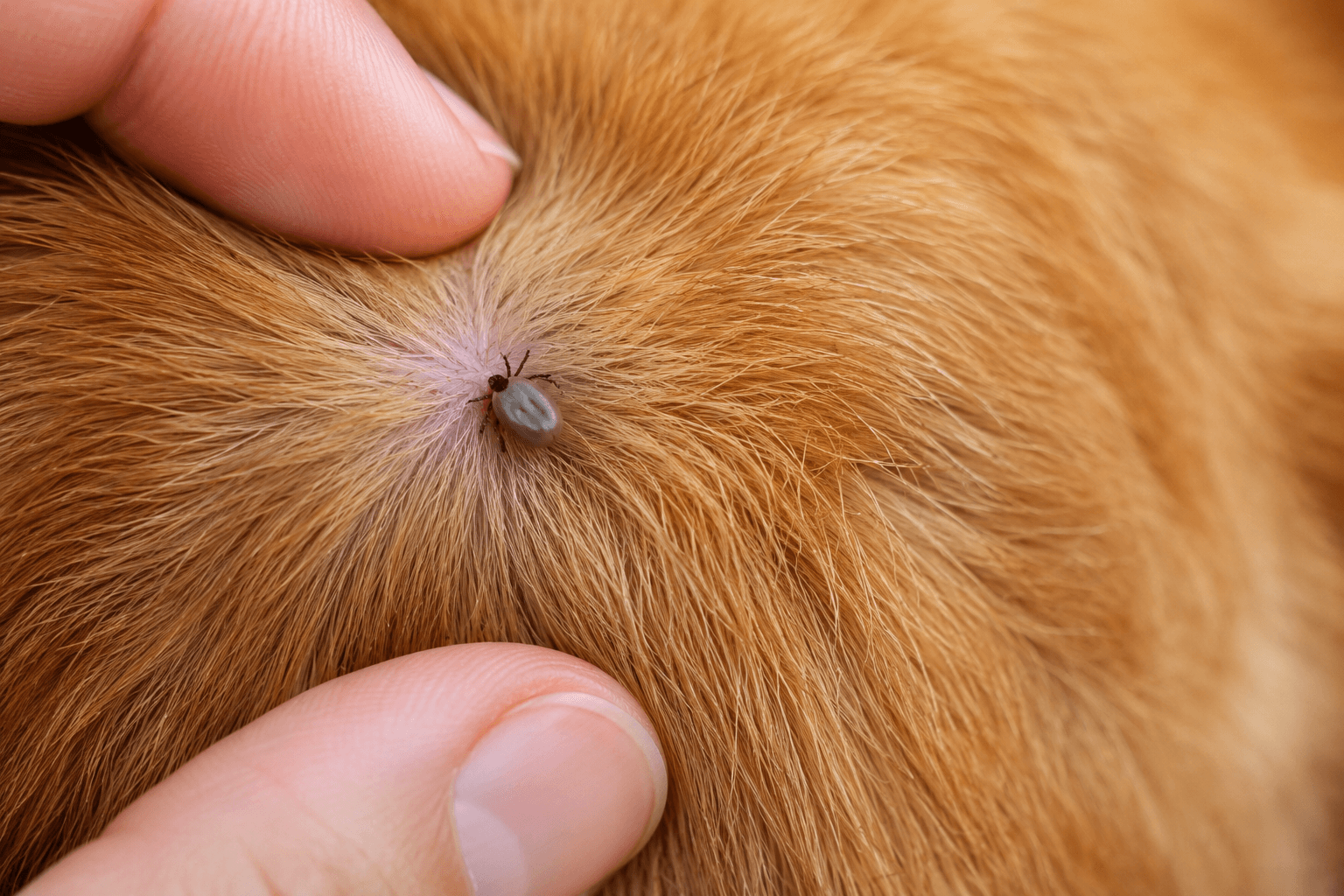
Image 1. Close-up of an American dog tick attached to a dog's fur.
Early Signs of Ticks
- Small reddish-brown insects visible in pet fur, particularly around the neck, belly, and base of the tail
- Unexplained bites on ankles or lower legs after walking through wooded or brushy areas
- Attached ticks found on pets after spending time outdoors
- Ticks discovered on family members following yard work, hiking, or outdoor recreation
- Pets showing localized skin irritation around attachment sites
- Unusual lethargy or discomfort in pets after outdoor exposure
- Increased tick encounters near wooded property lines or dense vegetation
Table 1. Common indicators of tick activity in homes, yards, and pets.
Many homeowners first notice tick activity through changes in their pet's behavior or a chance discovery during a routine check rather than seeing a tick right away. Because young ticks are so small, they can remain undetected for weeks.
One important detail worth knowing: a blacklegged tick typically needs to remain attached for approximately 36 to 48 hours before Lyme disease transmission becomes likely. That's one reason routine tick checks remain one of the simplest and most effective protective measures families can take during the season.
For pet owners, Eco Serve's Tick and Mosquito Control service treats both pests together, since ticks and mosquitoes tend to thrive in the same shaded, humid environments around a property — reducing exposure to both throughout the summer.
Common Tick Species Found in Western New York
Several tick species can be found throughout Western New York, but a few are encountered more frequently by homeowners and pet owners.
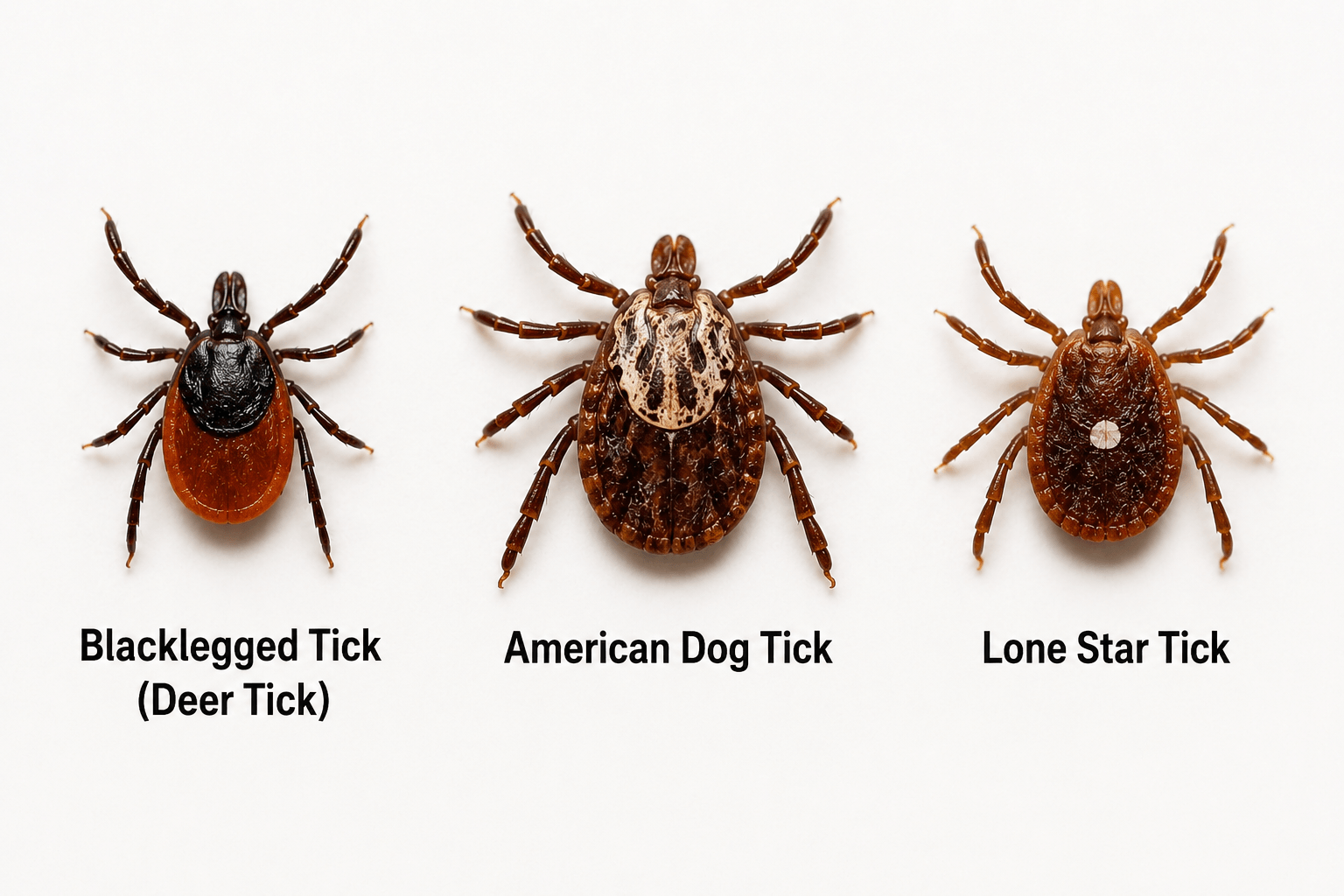
Image 2. Three common tick species found in Western New York.
| Tick Species | Appearance | Common Habitat | Health Risks |
|---|---|---|---|
| Blacklegged Tick (Deer Tick) | Adult females have reddish bodies with a dark shield. Males are entirely dark. Roughly sesame-seed sized. | Wooded areas, shaded yard edges, dense brush, leaf litter | Lyme disease, babesiosis, anaplasmosis |
| American Dog Tick | Larger than deer ticks with cream-colored markings on the back | Open grassy fields, trails, park edges, roadside vegetation | Rocky Mountain spotted fever |
| Lone Star Tick | Adult females display a single white dot on their backs | Brushy areas, wooded edges, dense vegetation | Ehrlichiosis, Alpha-gal syndrome |
Table 2. Key characteristics, habitats, and health risks of common Western New York tick species.
Why Ticks Often Go Unnoticed
Ticks can be difficult to detect. Young, blacklegged ticks are incredibly small — often no larger than a poppy seed. Because tick bites are usually painless, many people don't realize they've been bitten until they discover an attached tick or develop symptoms later.
By the time an attached tick is found, tick activity may already be established around the property — particularly on properties bordering wooded areas, parks, or creek corridors common throughout the Buffalo area.
Homeowners may not realize a problem exists until pets begin scratching excessively or family members start experiencing bites.
Why Early Detection Matters
Identifying tick activity early can significantly reduce the challenges associated with controlling this pest. Smaller populations are generally easier and less expensive to manage, less likely to spread throughout the home, and less likely to affect multiple pets or family members.
Promptly finding and removing ticks can lower the likelihood of prolonged attachment and reduce the risk of exposure to tick-borne illnesses. Regular inspections, awareness of common warning signs, and routine property maintenance can go a long way toward preventing larger tick problems later in the season.
Practical Prevention Steps for WNY Homeowners
A combination of pet care, yard maintenance, and home awareness can significantly reduce tick pressure throughout the Western New York season.
For pet owners, maintaining a veterinarian-approved tick prevention program remains one of the most effective protective measures. Pets should be checked thoroughly after spending time outdoors, with special attention given to the ears, paws, underbelly, and other areas where ticks commonly attach. For professional-grade protection, Eco Serve's Tick and Mosquito Control service is designed to reduce pressure around your property throughout the season.
Outside, homeowners can make their property less attractive to ticks by mowing regularly, removing leaf litter and debris, trimming dense vegetation, and reducing wildlife harborage areas. Properties that border wooded areas or natural habitats — common throughout Erie, Niagara, and Orleans counties — may benefit from additional attention along yard edges where tick activity is often concentrated.
Family members should also perform tick checks after spending time outdoors, particularly after working in the yard, hiking local trails, or visiting parks throughout Buffalo and Western New York.
DIY yard sprays and store-bought repellents can help in the short term, but they often fall short against established tick populations along wooded edges and wildlife travel routes. For a closer look at how store-bought options stack up against a professional treatment plan, check out our blog on DIY vs. Professional Tick Control to see which approach makes the most sense for your property.
Don't Wait Until Ticks Become a Bigger Problem
Tick activity is much easier to manage when caught early. If you're noticing warning signs around your home, on your pets, or throughout your yard, now is the time to take action before populations have a chance to grow.
For even greater protection throughout the season, homeowners can bundle mosquito and tick treatments with Eco Serve's Eco Premium or Premium Plus Home Plan and receive additional value through comprehensive seasonal protection. If you're unsure where to start, a free quote and a conversation about your specific property costs nothing.
Frequently Asked Questions
Have a question we didn't cover here? Visit our Contact Us page and our team will be happy to help you determine the right plan for your property. You can also browse the full Eco Serve FAQ page for answers to common questions about ticks, and other pest concerns throughout Western New York.