

Tick & Mosquito Control for Pet Owners: Keeping Dogs and Cats Safe in Erie County

Bottom Line Up Front
Ticks and mosquitoes aren't just a backyard nuisance in Erie County — they can transmit Lyme disease, heartworm, and West Nile virus to dogs and cats. Keeping pets safe takes a layered approach: pet-friendly yard maintenance, regular veterinary care and following your veterinarian's recommended preventive treatments, along with professional barrier treatments from Eco Serve. No single layer closes every gap on its own, but together they provide more complete protection throughout the year. Combined consistently, these three layers protect dogs and cats from disease without relying on harsh, over-applied chemicals in the yards where they play.
TL;DR — Key Takeaways
- Ticks and mosquitoes in Erie County carry Lyme disease, heartworm, anaplasmosis, and West Nile virus, and deer ticks stay active whenever temperatures climb above 35°F — even during winter thaws.
- Mowing regularly, clearing leaf litter, and eliminating standing water makes a yard less hospitable to both pests before pets ever go outside.
- Keeping pets on the preventive care plan recommended by your veterinarian throughout the year can help reduce the risk of tick- and mosquito-borne illnesses. Human repellents or essential oils should never be applied directly to a dog or cat.
- Eco Serve's targeted barrier treatments focus on tick migration paths and mosquito breeding zones rather than simply treating the open lawn.
- Repeated, scheduled applications through the full Western New York pest season protect pets and people without over-applying chemicals around the places they live and play.
Introduction
Erie County's wooded parks, leafy backyards, and humid summers create ideal conditions for ticks and mosquitoes, especially once spring arrives and the local pest population wakes back up. Dogs and cats love spending time outside, but every romp through tall grass or trip to the backyard pond exposes them to parasites that can cause serious illness. Black-legged (deer) ticks spread Lyme disease and other infections, while mosquitoes can transmit heartworm larvae and, less commonly, West Nile virus.
Pet owners often feel torn between protecting their animals and avoiding harsh chemicals in the places pets play. This guide is written for Erie County pet owners who want a practical plan that combines yard maintenance, trusted veterinary care, and Eco Serve's pest control services into one layered approach that holds up across the full Western New York pest season.
Why Ticks & Mosquitoes Are a Risk for Pets
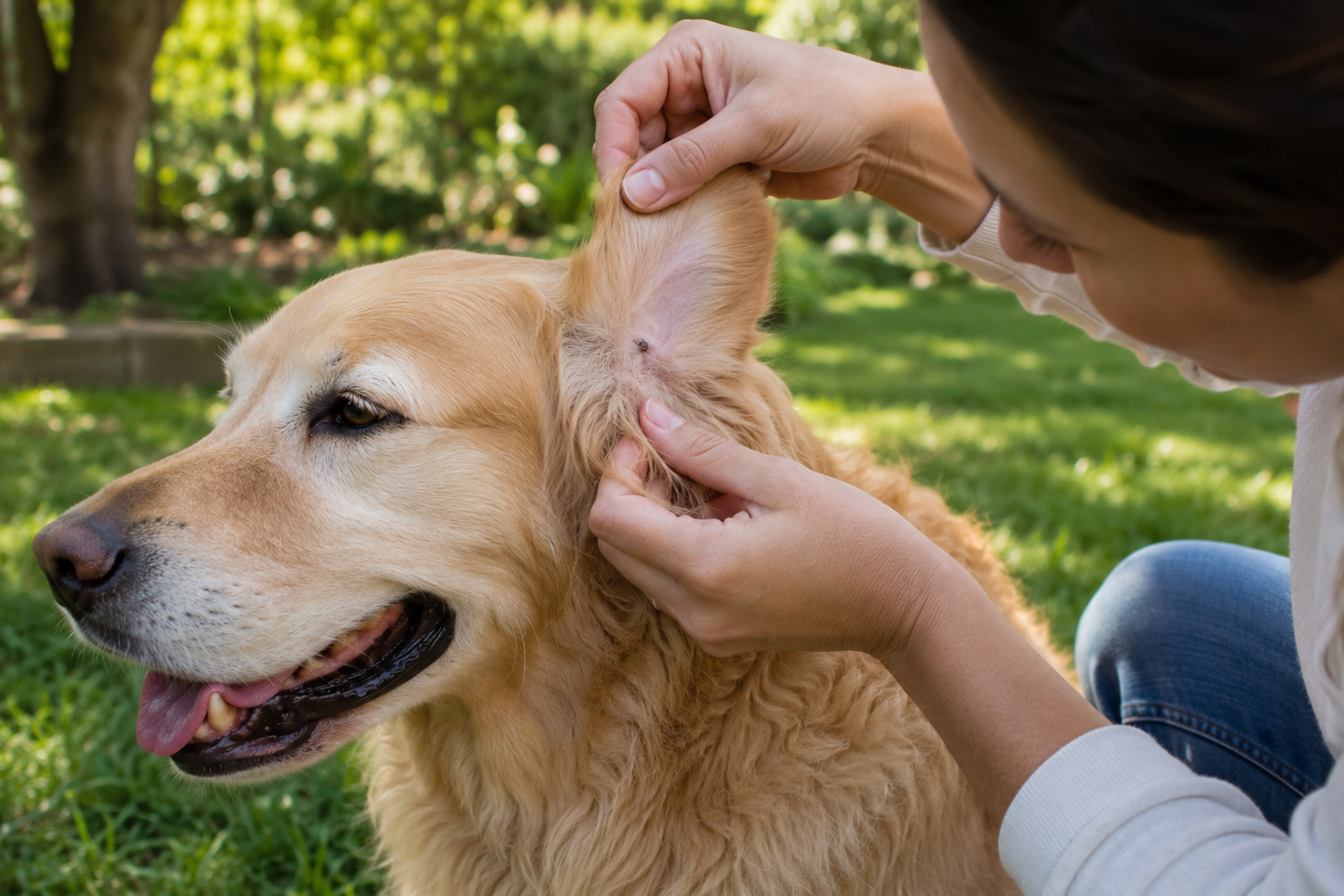
Image 1. Tick attached behind a dog's ear, a common location where ticks are found.
Ticks don't disappear when snow falls. Deer ticks remain active whenever temperatures climb above 35°F, and the nymph stage — responsible for most Lyme infections — peaks in spring and early summer. That means dogs and cats can pick up ticks during a warm winter thaw just as easily as on a summer hike. Once attached, these pests can transmit Lyme disease, anaplasmosis, babesiosis, and other illnesses in as little as 24 hours.
Mosquitoes bring a different set of risks. When an infected mosquito bites a dog, it can inject microscopic heartworm larvae that, left untreated, mature in six to seven months and can cause heart failure, lung disease, and death. The FDA notes that the only reliable prevention is a veterinarian-prescribed product given monthly or via long-acting injection — over-the-counter repellents cannot stop the larvae from maturing. Cats can develop heartworm too, sometimes showing respiratory signs or sudden collapse from only a few worms.
West Nile virus is less common in pets than in people, and most infected animals never develop symptoms. Older, very young, or immunocompromised pets are more susceptible to neurological signs such as tremors, seizures, or difficulty walking. Since there's no vaccine or specific treatment for West Nile virus in pets, reducing mosquito exposure is the only real lever owners have.
Pet-Friendly Yard Maintenance

Image 2. A well-maintained yard helps reduce tick habitat, giving dogs fewer places to encounter ticks.
Keeping a property tidy is the first line of defense. Clearing leaf litter, brush, and tall grass at the edges of the yard removes the shaded, moist hiding spots ticks rely on, and a three-foot barrier of wood chips or gravel between lawn and tree line helps restrict their migration into the areas where pets actually play. Regular mowing and trimmed shrubs let sunlight and airflow dry out the habitat ticks need, and stacking firewood away from play areas and dog houses removes one more hiding spot. Deer and rodents often carry ticks into a yard in the first place, so fencing or deer-resistant plantings can cut off that route before it starts.
Mosquitoes respond to a different cue: standing water. Because they need less than an inch of water to breed, emptying birdbaths, pet toys, and flowerpots after rain, and keeping gutters and rain barrels clear removes breeding sites most homeowners overlook. Since mosquitoes are most active at dawn and dusk, bringing pets inside during those hours and screening porches and windows adds another layer of protection at no cost. None of these habitat changes will eliminate every pest, but together they meaningfully reduce what a pet encounters before any chemical treatment even enters the picture.
Regular Veterinary Care and Preventive Protection
Yard work alone can't fully eliminate ticks and mosquitoes, which is why regular care from your family's veterinarian is just as important. Every pet has different health needs, age considerations, and sensitivities, so it's important to follow your veterinarian's recommendations for preventive care and parasite protection.
Pet owners should watch for adverse reactions such as vomiting, lethargy, or skin irritation and call the vet if anything seems off, and should never apply human mosquito repellents or essential-oil mixtures directly to a pet — ingredients like DEET and concentrated oils can cause neurological damage or skin burns in dogs and cats. Maintaining the preventive care plan recommended by your veterinarian throughout the year can help reduce your pet's risk of tick- and mosquito-borne illnesses. Annual wellness exams also provide an opportunity to discuss any changes in your pet's health, whether preventive care should be adjusted, and whether heartworm testing or other screenings are appropriate. Cat and ferret owners, in particular, should talk with their veterinarian about screening since those animals often show few obvious signs of infection. A single missed dose leaves a pet vulnerable, since heartworm larvae mature quickly and ticks remain active on warm winter days.
Eco Serve's Tick & Mosquito Control
At Eco Serve, we know your pets are part of the family because many of ours are too. Many members of our team are pet owners and parents themselves, so we understand the importance of treating every property with care. Our highly trained and certified service specialists use reduced-risk products and targeted application methods while following label directions and industry best practices. Rather than simply treating the entire yard, we focus on the areas where ticks migrate and mosquitoes breed, helping reduce pest activity while keeping your family, pets, and property top of mind.
Many over-the-counter yard sprays rely on harsh chemicals that can harm curious pets and beneficial insects along with the targeted pests. Eco Serve's tick and mosquito control services are built on more than 20 years of experience identifying exactly where local ticks migrate and where mosquitoes breed — not just spraying the open lawn. Perimeter and foliage treatments delivered as part of a seasonal plan provide season-long protection rather than a one-time knockdown.
Choosing professional treatment means a personalized consultation that flags the problem areas specific to a property, a choice between one-time or recurring visits timed to a pet's habits and the local pest calendar, and minimally invasive products that minimize risk to pets, children, and pollinators alike. Every service is backed by a guarantee, with free follow-up visits if pests return. For more on regional pest pressure, see Eco Serve's notes on common mosquito breeding grounds and mosquito bites in Tonawanda.
Pet-Safety Strategies: Side-by-Side Comparison
The table below summarizes how these three layers work together for Erie County pet owners. In short: no single layer does the whole job, but combined, they close the gaps each one leaves open.
| Approach | Key Actions | Pros for Pet Owners |
|---|---|---|
| Yard maintenance | Remove leaf litter and tall grass, add a gravel barrier, mow regularly, eliminate standing water, keep play areas away from the edges, and discourage wildlife. | Reduces habitat without chemical exposure, costs little, and sets up the other two layers to work better. |
| Veterinary care & preventive protection | Regular veterinary checkups and following your veterinarian's recommended preventive care plan for your pet. | Supports preventive care tailored to your pet's individual health needs while helping reduce the risk of tick- and mosquito-borne illnesses. |
| Eco Serve professional control | Perimeter and foliage treatments with reduced-risk products, targeted at tick habitats and mosquito breeding sites, delivered through seasonal plans with guaranteed follow-ups. | Delivers fast pest reduction, stays pet-safe and eco-friendly, and saves time by keeping coverage consistent. |
Table 1. Yard maintenance, veterinary preventatives, and professional pest control compared across the actions each one takes and the protection it offers Erie County pet owners.
The Eco Serve Perspective
After more than two decades treating yards across Western New York, here's our honest take: protecting pets from ticks and mosquitoes was never meant to rest on one method alone. Yard work won't reach an already-established tick population, a monthly chewable won't stop mosquitoes breeding in a clogged gutter, and no professional treatment replaces a vet-prescribed parasite preventative. Each layer covers a gap the others leave — skip one, and it tends to show up as a tick on the dog or a missed heartworm dose.
Our recommendation for most pet owners is simple: keep the yard tidy, keep your pets receiving regular veterinary care and follow your veterinarian's recommended preventive treatments, and pair both with a professional barrier program timed to the start of pest season rather than after the bites begin. Our specialists use reduced-risk products and targeted application methods while following label directions and industry best practices, and many homeowners time their first visit to an early-season special offer. If it's unclear where a property stands, a free quote and a conversation about pets and yard costs nothing.
Frequently Asked Questions
Have a question we didn't cover here? Browse the full Eco Serve FAQ page or request a free quote and our team will walk you through the right plan for your pets and your property.