

Ticks in Early Summer: What Puts Western New York Homes and Pets at Risk
Bottom Line Up Front
Tick activity rises sharply across Western New York every late May and June, driven by warming temperatures, high humidity, and the wildlife that carries these pests into local yards year-round. Once ticks establish themselves on a property, they spread quickly between yards, pets, and homes — and can transmit Lyme disease, anaplasmosis, and other illnesses along the way. Protecting a property requires multiple layers working together: consistent pet prevention, proactive yard maintenance, and targeted professional treatments from Eco Serve Pest Services. While no single prevention method eliminates every risk, combining these layers before peak summer activity begins can significantly reduce tick pressure and help keep families, pets, and outdoor spaces protected throughout the season.
TL;DR — Key Takeaways
- Ticks become most active in late spring through early summer once temperatures consistently exceed 45°F, with conditions common across WNY from June through August.
- Wildlife — deer, raccoons, squirrels, opossums, and stray cats — almost always introduce ticks into a yard first; pets are typically the bridge that carries them indoors.
- Highest-risk properties have overgrown grass, wooded edges, leaf piles, or decks and sheds that shelter wildlife, plus gaps in pet prevention during the April–May ramp-up.
- Beyond Lyme disease, ticks can spread anaplasmosis and babesiosis.
- Eco Serve's targeted tick treatments focus on wildlife travel routes, shaded harborage areas, yard perimeters, and other high-risk zones where ticks develop and migrate, rather than simply treating open lawn areas.
Introduction

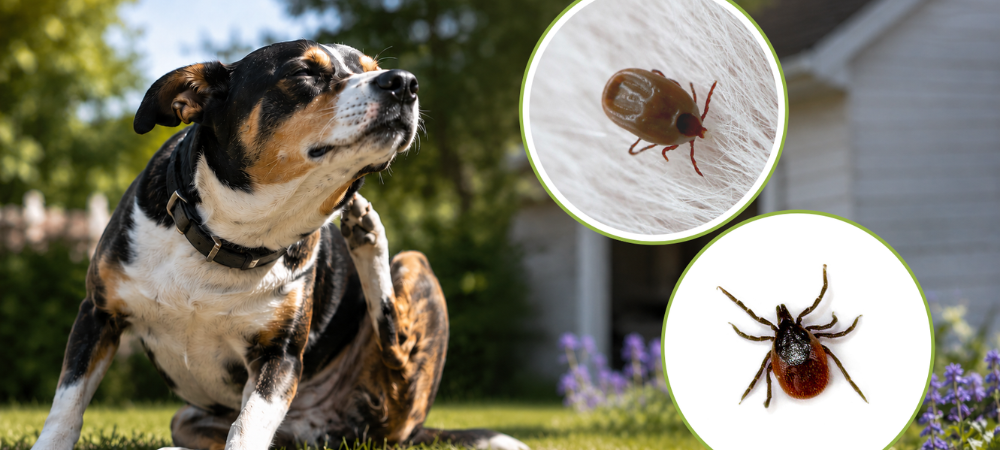
Image 1. A dog scratching after outdoor play, a common early warning sign of tick activity.
If you've noticed your dog scratching more than usual after a trip to the backyard, or pulled a tick off a family member after spending time outdoors this season, you're not alone. Tick activity rises sharply across the Buffalo area, the Niagara Falls corridor, and surrounding WNY communities each early summer — and once these pests establish themselves in a yard or on a pet, they can be surprisingly difficult to get under control.
This guide is written for Western New York homeowners and pet owners who want to understand why ticks surge each early summer, how they spread from yards into homes, and what makes certain properties more vulnerable — so the problem can be caught before it becomes a full infestation. At Eco Serve Pest Services, we see a consistent spike in tick calls every year starting in late May and June across Western New York.
Why Early Summer Creates Ideal Conditions for Ticks
Ticks don't disappear entirely during Western New York's long winters — they go dormant, survive in sheltered areas, or hitch rides on the wildlife that continues moving through local neighborhoods and green spaces year-round. Once spring temperatures stabilize and early summer warmth sets in across the Buffalo metro area, both pests become significantly more active almost simultaneously.
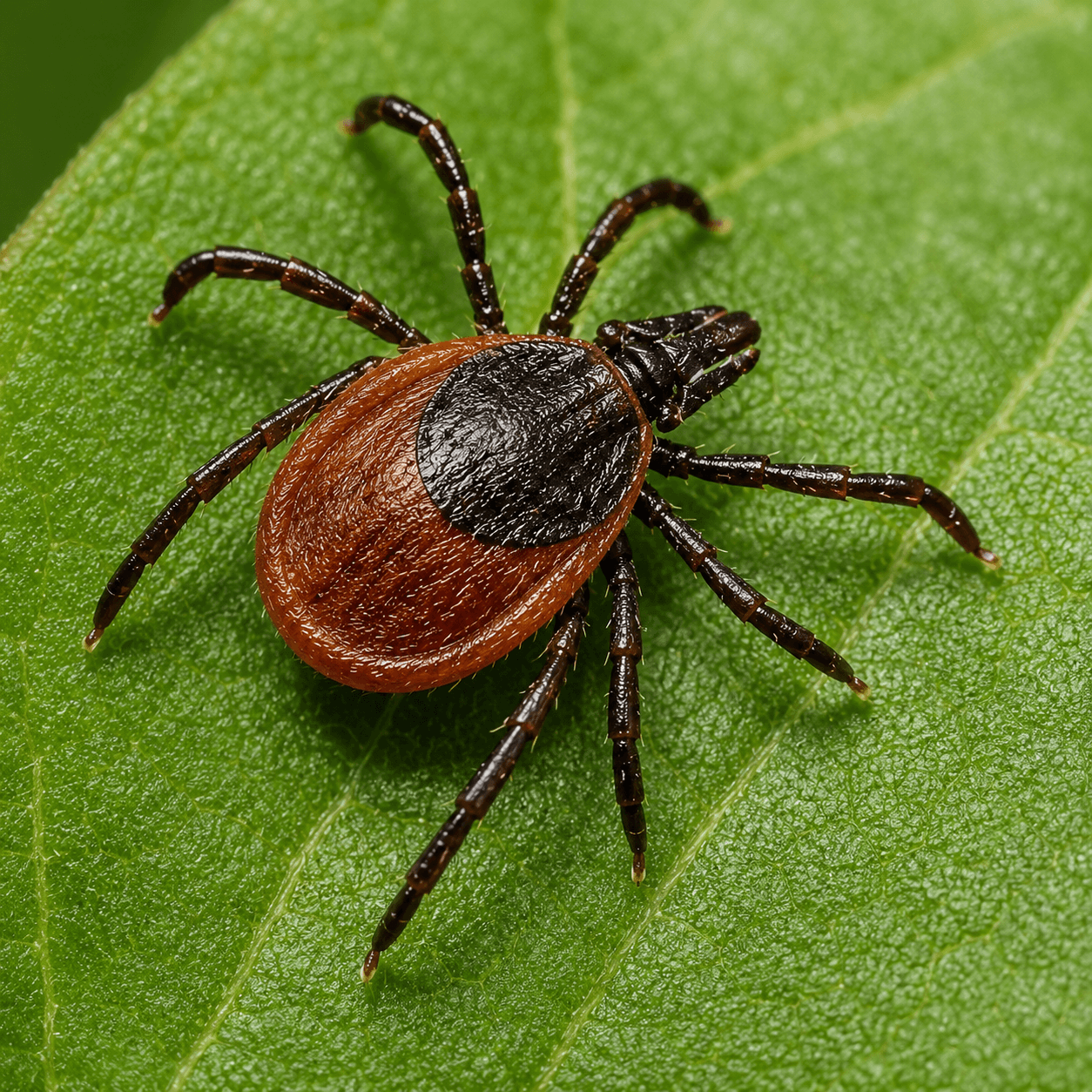 The blacklegged tick (deer tick) and American dog tick are the two most common species encountered by Western New York homeowners. The New York State Department of Health confirms that blacklegged ticks are now established across much of New York State and are the primary vector for Lyme disease in the region. Both species become most active in late spring through early summer once temperatures consistently exceed 45°F, and the wooded edges, tall grasses, and moist leaf litter common throughout WNY neighborhoods and parks create ideal habitat for ticks to quest for a passing host.
Western New York's geography plays a role as well. The abundance of wooded greenbelts, creek corridors, and natural buffers throughout communities like Amherst, Clarence, East Aurora, Hamburg, Orchard Park, and the rural towns surrounding Buffalo means that wildlife — and ticks they carry — are a year-round presence in many local yards.
Image 2. An adult blacklegged tick (deer tick), the primary carrier of Lyme disease in Western New York.
How Ticks Spread Through Yards, Pets, and Wildlife
One of the most important things Western New York homeowners can understand about tick activity is that it rarely starts inside the home — it starts outdoors and works its way in.
Wildlife is almost always the first source. Deer, raccoons, squirrels, opossums, and stray cats are among the most common carriers throughout the Buffalo area and surrounding WNY communities. White-tailed deer are one of the primary hosts for adult blacklegged ticks, and with deer populations remaining high throughout suburban Erie and Niagara counties, the risk of tick introduction into residential yards stays elevated all season. When wildlife passes through a yard, rests near the foundation, or shelters under a deck or shed, they leave behind tick eggs in the surrounding soil, grass, and leaf debris.
Pets are the most common bridge into the home. Dogs and outdoor cats that spend time in 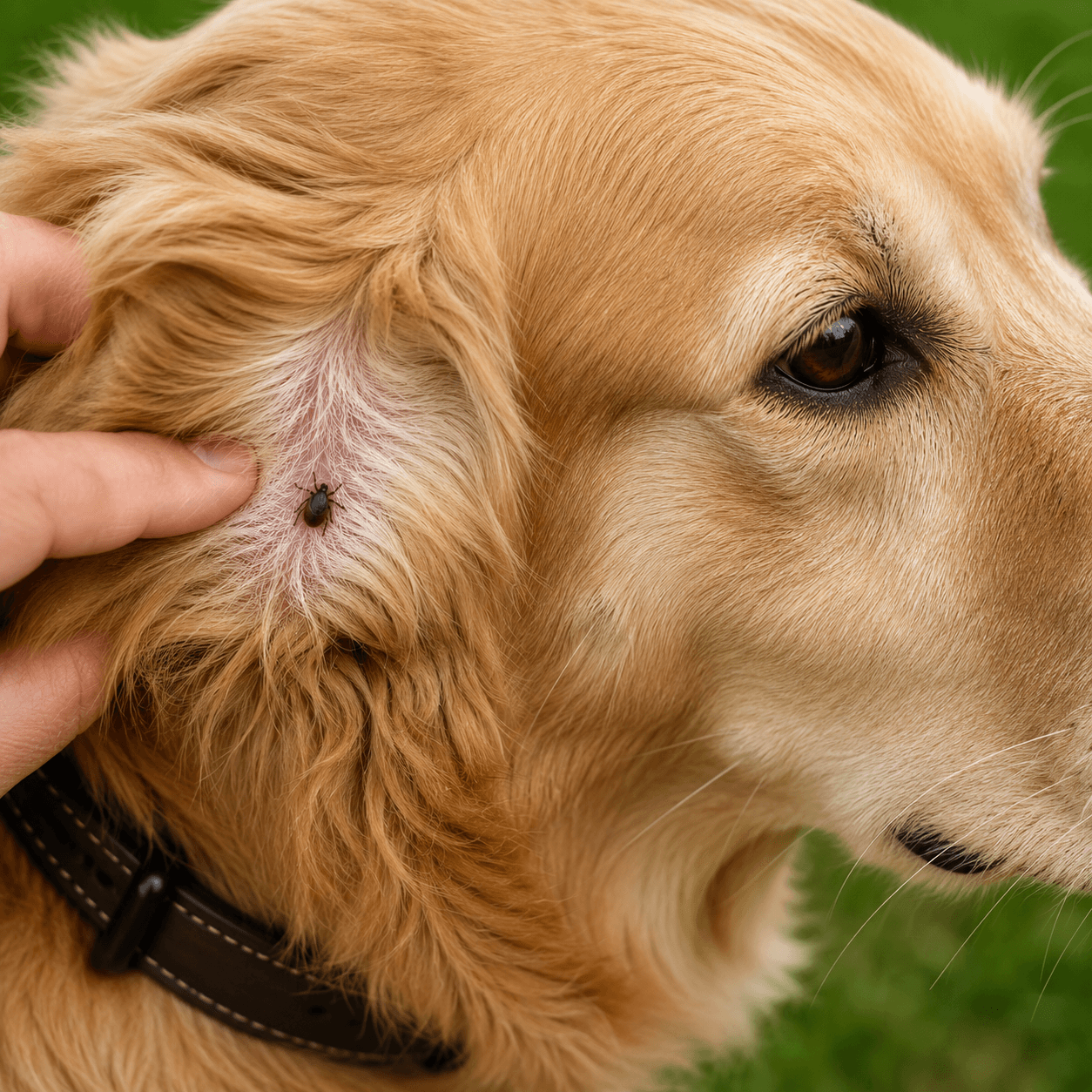 WNY backyards can pick up ticks quickly — even during a brief trip outside. The Companion Animal Parasite Council consistently identifies New York as a moderate-to-high risk state for tick activity, and Erie County regularly appears in regional risk data for tick-borne illness.
Ticks cluster near the perimeter of a yard, particularly along fence lines, wooded edges, overgrown brush, and where tall grass meets maintained lawn. Most tick encounters actually occur within residential yards rather than deep wooded areas — which means a person doesn't need to be hiking a trail to be at risk. Properties that back up to wooded lots, drainage ditches, or natural areas — extremely common throughout suburban WNY — tend to see significantly higher tick pressure throughout the season.
Image 3. Behind the ears is one of the most common places to find ticks on dogs and cats after spending time outdoors.
Common Risk Factors for Western New York Homeowners
Not every property carries the same level of tick risk. The table below groups the conditions that most consistently raise risk for WNY homes and pets.
| Risk Category | Common Conditions | Why It Matters |
|---|---|---|
| Yard & property | Overgrown grass, weeds, or dense shrub borders; properties adjacent to wooded areas or creek corridors; leaf piles, wood stacks, and debris; shaded, moist areas; decks, sheds, and crawl spaces. | Provides shelter and travel routes for wildlife carrying ticks, and creates the cool, humid microclimates ticks need to survive and quest for hosts. |
| Pet-related | Pets outdoors without consistent prevention; dogs walked in wooded areas or local parks; multi-pet households; gaps in treatment during April and May. | Pets are the most common bridge that carries ticks from the yard into the home, where they can attach to family members as well. |
| Home & structural | Foundation gaps, crawl space openings, and under-porch access points. | Gives wildlife shelter close to the structure, keeping tick-carrying animals near the home. |
Table 1. Risk factors that most commonly raise tick pressure on Western New York properties, grouped by category.
The Health Risks Ticks Pose to Families and Pets
Beyond the discomfort of an itchy pet, ticks carry real health risks that Western New York homeowners should take seriously.
Tick-borne illness in New York State is a growing concern. Lyme disease cases in New York have increased significantly over the past two decades, with thousands of confirmed cases reported annually statewide according to the NYS Department of Health. While the Southern Tier and Hudson Valley have historically seen the highest concentrations, blacklegged ticks — the primary Lyme vector — are now found throughout Western New York. Beyond Lyme disease, blacklegged ticks in New York can also transmit anaplasmosis and babesiosis, two less commonly discussed but serious illnesses that are also on the rise regionally.
These health risks are part of why addressing tick activity early — rather than waiting until it becomes a visible problem — matters as much for a family's wellbeing as it does for day-to-day comfort at home.
The Eco Serve Approach
After more than 26 years serving homeowners across Western New York, we've seen the same pattern repeat every season: tick problems rarely begin where homeowners first notice them. By the time a pet starts scratching excessively or a tick is found on a family member, this pest has often been developing for weeks in shaded yard areas, leaf litter, wildlife harborage zones, and other hidden parts of the property.
That's why we encourage homeowners to focus on prevention before activity peaks. Inspecting the property for common risk factors, maintaining consistent tick prevention for pets, and addressing wildlife activity around the home can significantly reduce the likelihood of an infestation. For properties bordering wooded areas, creek corridors, or other high-risk environments, professional barrier treatments can provide an additional layer of protection.
Understanding what attracts ticks to Western New York properties is the first step in reducing risk. If you're unsure whether your property has the conditions that attract ticks, Eco Serve offers free quotes and property evaluations. A quick conversation about your yard, pets, and surrounding environment can often identify risk factors before they turn into a larger problem.
Our experienced team has been helping Western New York homeowners identify pest pressures and implement effective control solutions for more than 26 years. Call 716-293-2500 today for a free quote, or browse our FAQ page to learn how we can help keep your home, family, and pets protected all season long.
Frequently Asked Questions
Have a question we didn't cover here? Visit our Contact Us page and our team will be happy to help you determine the right plan for your property. You can also browse the full Eco Serve FAQ page for answers to common questions about ticks, and other pest concerns throughout Western New York.