

When Do Ants Come Out in Western New York? (Spring 2026 Guide)
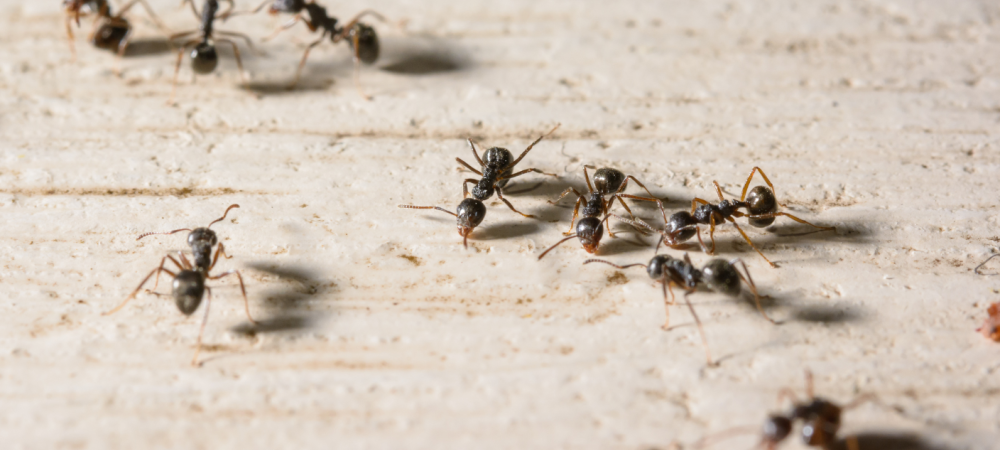
As winter fades and temperatures begin to rise, many homeowners in Western New York start noticing a familiar problem—ants. These tiny pests seem to appear out of nowhere, invading kitchens, bathrooms, and even outdoor spaces. But when exactly do ants come out in Western New York, and why does spring trigger their activity?
In this 2026 guide, we'll break down when ants emerge, what attracts them, and how you can prevent an infestation before it starts.
When Do Ants Start Appearing in Western New York?
In Western New York, ants typically begin to emerge between late March and early May, depending on weather conditions. Once temperatures consistently reach above 50°F (10°C), ant colonies become active again after winter dormancy.
Key timing factors:
- Early spring (March–April): First signs of ants indoors as they search for food
- Mid-spring (April–May): Increased outdoor activity and visible trails
- Late spring (May–June): Peak activity, including nesting and colony expansion
A mild winter or early warm spell in 2026 can cause ants to appear even sooner than expected.
Why Do Ants Come Out in Spring?
Ants don't just randomly show up—they're responding to seasonal changes that make survival easier.
1. Warmer Temperatures
Ants are cold-blooded, so they become active as the ground warms. Spring signals the start of foraging season.
2. Food Availability
After months of limited resources, ants actively search for:
- Sugary foods (spills, crumbs, garbage)
- Proteins (pet food, grease, insects)
3. Moisture and Rain
Spring rain softens soil, making it easier for ants to expand nests. It also drives them indoors when outdoor conditions become too wet.
Common Ant Species in Western New York
Understanding what type of ants you're seeing can help determine the level of risk.
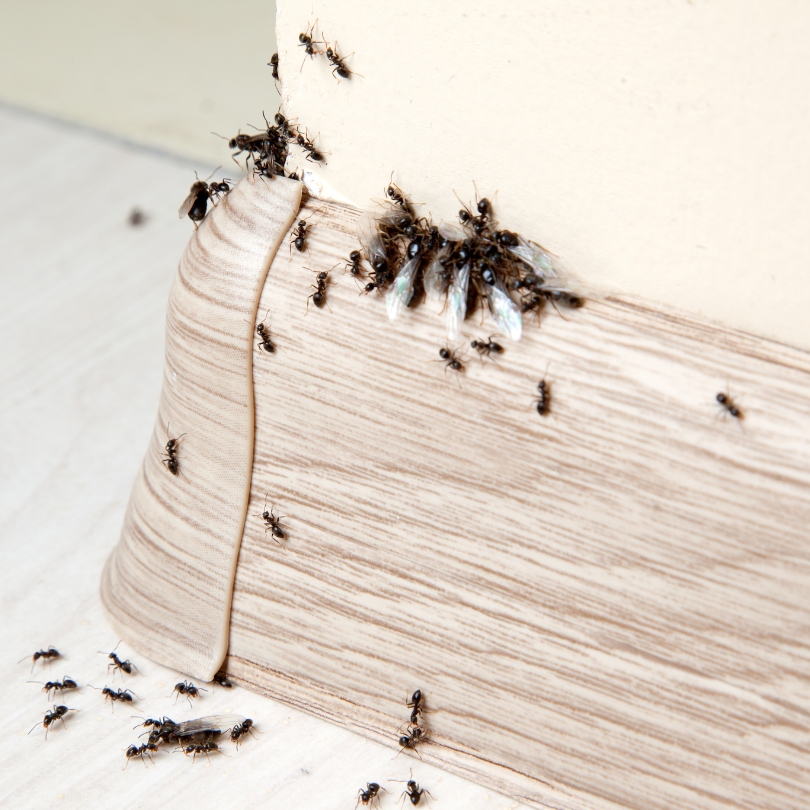
Pavement Ants
- Often found near sidewalks and foundations
- Common indoor invaders in spring
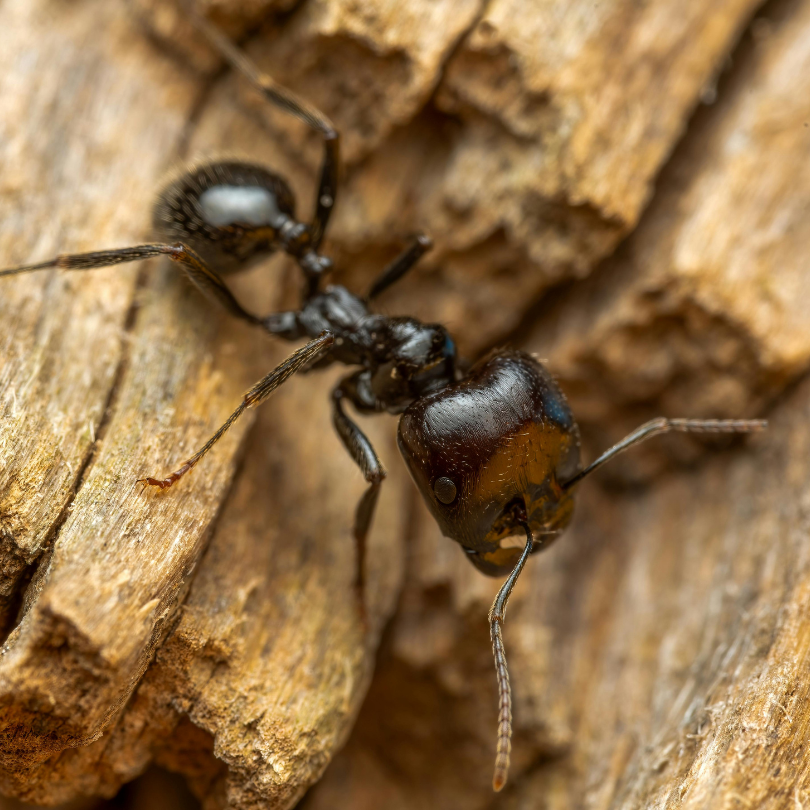
Carpenter Ants
- Larger ants that can damage wood structures
- Prefer damp or decaying wood
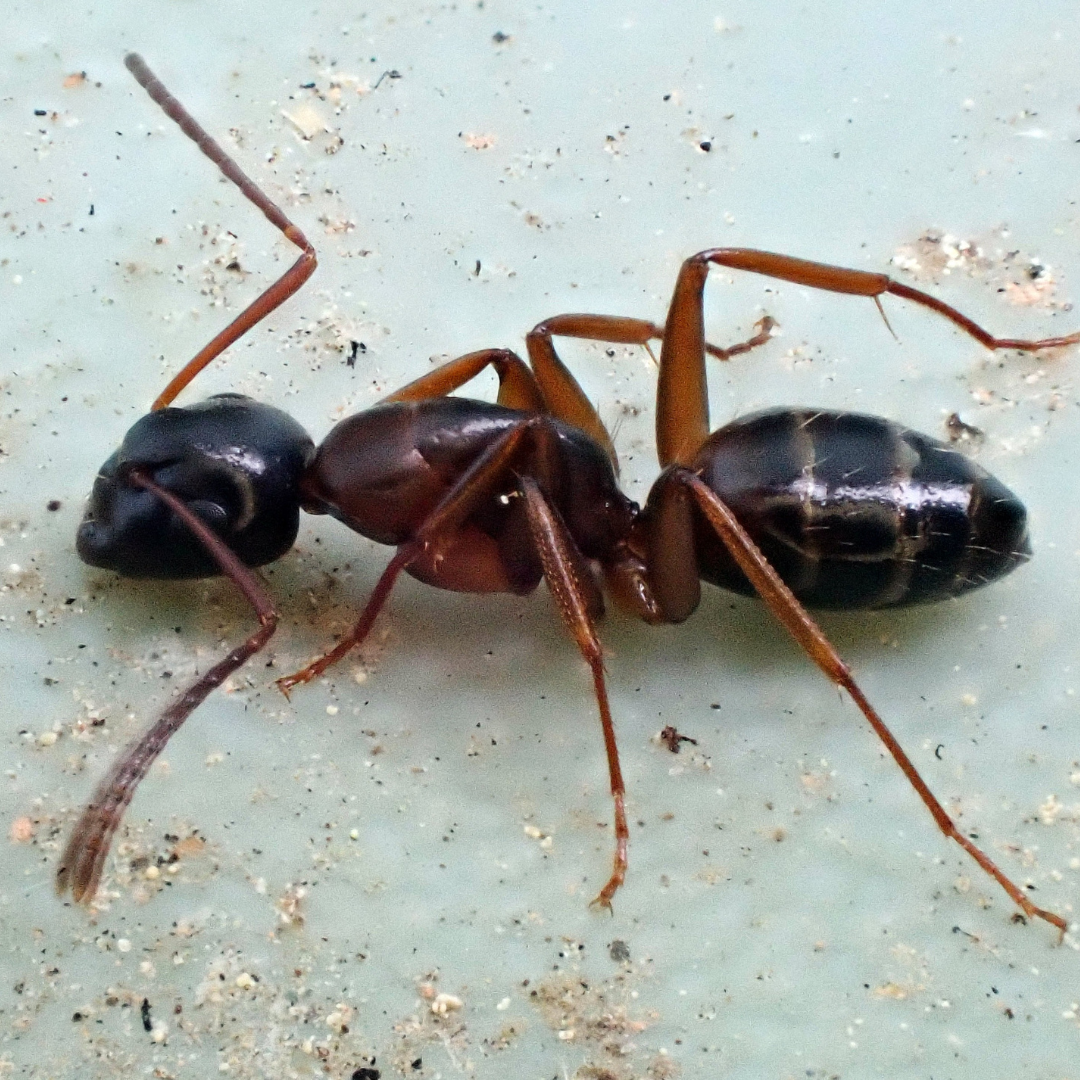
Odorous House Ants
- Emit a rotten coconut smell when crushed
- Frequently invade kitchens
Signs You Have an Ant Problem
Catching an infestation early can save you time and money. Watch for:
- Trails of ants along walls or countertops
- Small piles of dirt or debris near cracks
- Rustling sounds inside walls (carpenter ants)
- Increased sightings after rain
How to Prevent Ants This Spring
The best defense against ants is early prevention—before colonies fully establish.
Seal Entry Points
- Caulk cracks around windows, doors, and foundations
- Repair damaged screens
Eliminate Food Sources
- Wipe down surfaces regularly
- Store food in airtight containers
- Take out trash frequently
Reduce Moisture
- Fix leaks and improve drainage
- Avoid overwatering landscaping
Maintain Your Yard
- Keep mulch and soil away from your foundation
- Trim branches that touch your home
When to Call a Professional
If you're seeing ants regularly or suspect a carpenter ant infestation, it's time to bring in experts. DIY methods may temporarily reduce activity but often don't eliminate the colony.
Eco Serve Pest Services offers targeted ant control solutions designed specifically for Western New York homes. Our team understands seasonal pest behavior and uses eco-conscious treatments to keep your home protected all spring and beyond.
Stay Ahead of Ant Season in 2026
Ant season in Western New York starts earlier than many homeowners expect. By taking proactive steps now, you can avoid a full-blown infestation later in the spring.
If you're already noticing ant activity, don't wait—early action is the key to keeping your home pest-free.
Contact Eco Serve Pest Services today for a spring inspection and customized ant control plan.