
Beehive vs. Wasp Nest: How to Tell the Difference
Bottom Line Up Front
Beehives and wasp nests can look similar from a distance, but they differ in material, location, and how aggressively their occupants defend the nest. Honeybees are valuable pollinators best left to a beekeeper for safe relocation, while wasp nests — particularly yellow jackets and hornets — often need professional removal because of their aggression and ability to sting repeatedly. For homeowners throughout Buffalo and Western New York, correctly identifying which insect you're dealing with is the first step toward staying safe and choosing the right next move.
TL;DR — Key Takeaways
- Beehives are made of wax and feature a recognizable honeycomb pattern, usually hidden inside wall voids, hollow trees, chimneys, or attics rather than out in the open.
- Wasp nests are built from a paper-like material made of chewed wood fibers and saliva, and may hang in the open (paper wasps, hornets) or stay hidden underground (yellow jackets).
- A honeybee swarm is a temporary resting cluster, not an established hive — and because honeybees are valuable pollinators, Eco Serve refers swarm and hive removal to a local beekeeper.
- Yellow jackets are the most aggressive stinging insect Western New York homeowners typically encounter and can sting multiple times when a nest is disturbed.
- Honeybees can usually sting only once and are generally calm unless their hive is directly threatened, making them far less dangerous than wasps.
- Eco Serve Pest Services provides professional removal for yellow jackets, hornets, and paper wasps, but does not treat honeybees out of respect for their role as pollinators.
Introduction
Spotting a nest around your home can quickly raise concerns — especially when you're unsure whether you're dealing with honeybees or wasps. Throughout Western New York, including Buffalo and surrounding communities, homeowners commonly encounter stinging insect activity around decks, rooflines, landscaping, and outdoor gathering areas. Stinging insect colonies begin forming early in spring and grow through fall, so knowing what you're dealing with before a colony grows large is essential.
While honeybees are important pollinators that are generally less aggressive, many wasp species can become territorial and defensive when their nests are disturbed. This guide is written for Buffalo and Western New York homeowners who want to understand how to identify a beehive versus a wasp nest, respond safely, avoid accidental stings, and know when professional treatment is the right call.
Why It's Important to Identify the Difference
At first glance, beehives and wasp nests can appear somewhat similar, especially from a distance. However, honeybees, wasps, and hornets differ significantly in appearance, nesting habits, aggression levels, and the risks they may pose around homes and families.
Correct identification matters because honeybees are important pollinators that are typically relocated rather than eliminated, while wasps — though often treated as pests — also play a role as beneficial predators of other insects. That said, some wasp species can become highly aggressive when their nests are disturbed. Nest location and structure help determine how serious an infestation may become and what type of treatment is needed.
In many cases, disturbing the wrong nest can quickly create a dangerous situation — particularly for children, pets, or individuals with allergies.
What Does a Beehive Look Like?
Beehives are typically made from wax produced by honeybees and are often hidden inside protected spaces rather than exposed in the open. Honeybees commonly build their hives inside wall voids, hollow trees, chimneys, attics, sheds, or other sheltered areas around the home.
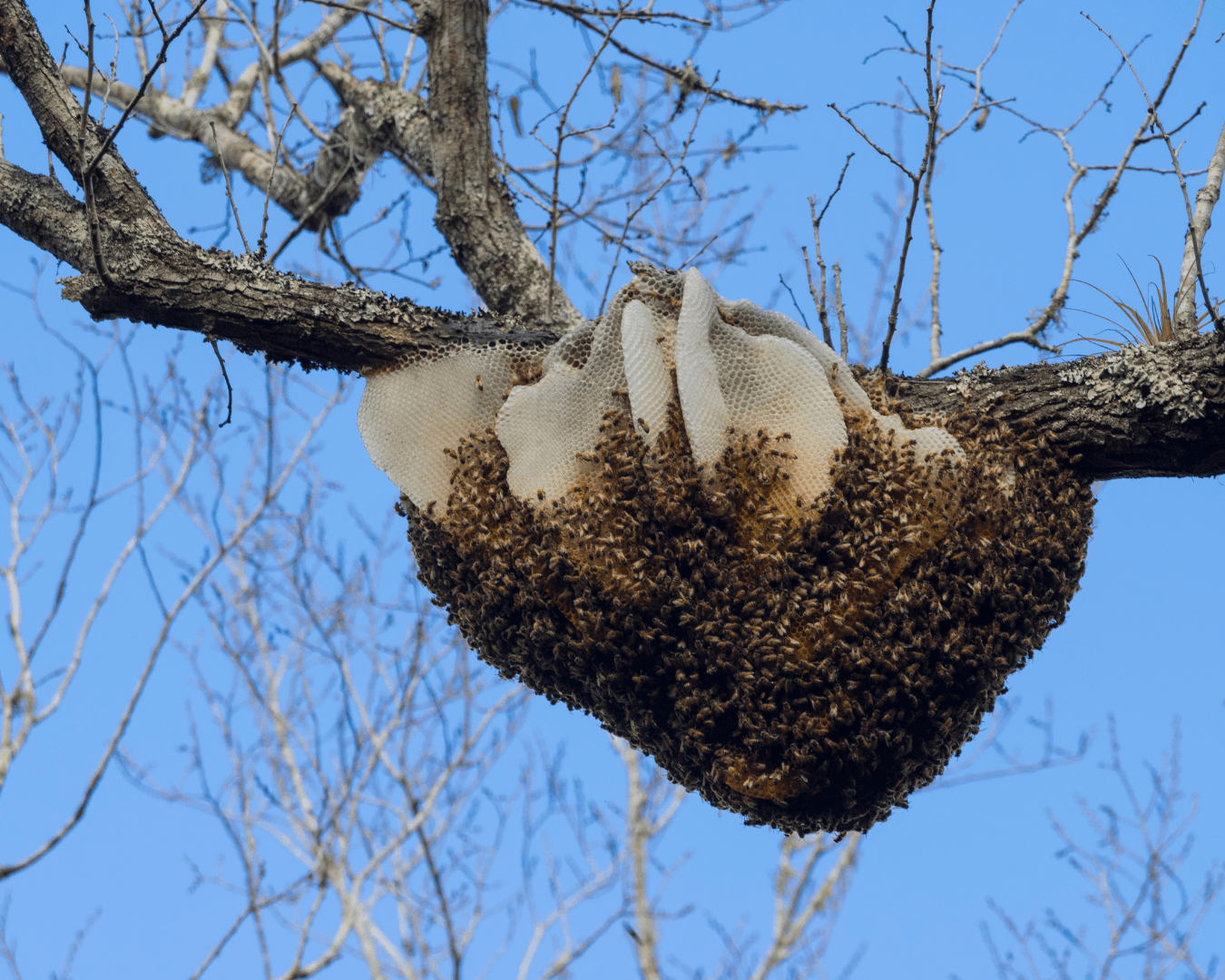
Image 1. A visible honeybee hive built from wax comb, with thousands of honeybees clustered around the entrance.
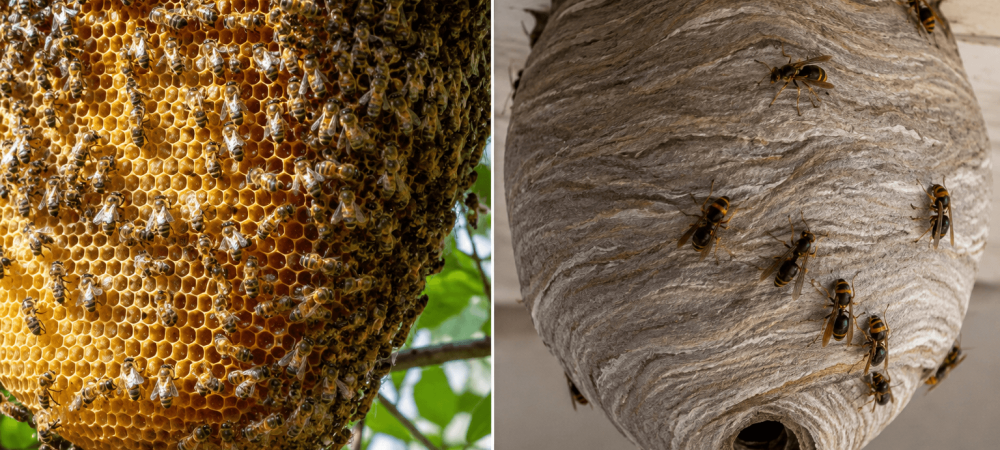
When visible, a beehive may appear golden or light yellow with a dense cluster of honeybees surrounding it. The familiar honeycomb pattern is one of the easiest ways to identify honeybee activity. In many cases, however, the hive itself remains hidden from view. Homeowners are more likely to notice a steady stream of honeybees flying to and from a small opening in a wall, roofline, chimney, or tree cavity. Consistent honeybee traffic to the same location is often one of the clearest signs that an active hive is nearby.
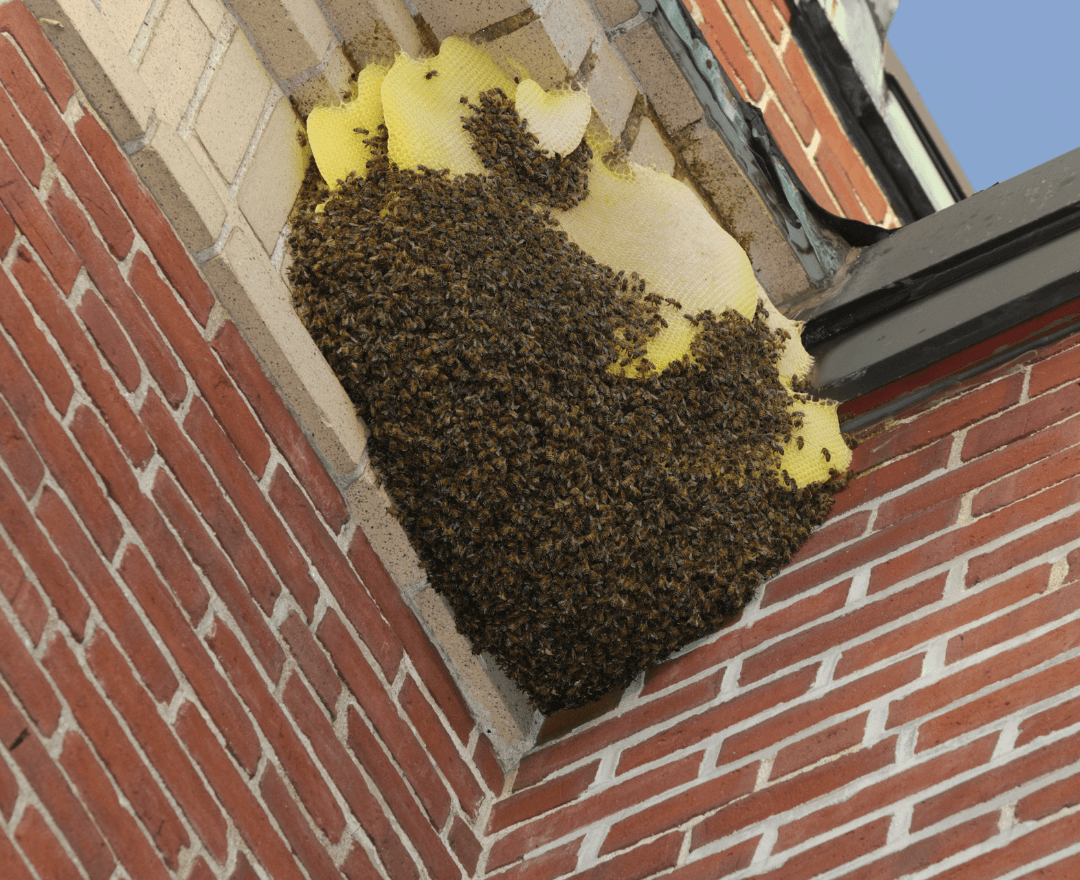
Image 2. An active honeybee hive inside a structural void.
Common Signs of a Beehive
Homeowners may notice large numbers of honeybees flying in and out of the same opening, a steady buzzing sound near walls or trees, or increased bee activity around flowers and landscaping. In some indoor infestations, honey or wax residue may also appear near entry points.
Unlike wasps, honeybees are generally less aggressive and can typically sting only once, so they usually only become defensive if their hive is threatened directly.
Understanding Honeybee Swarms
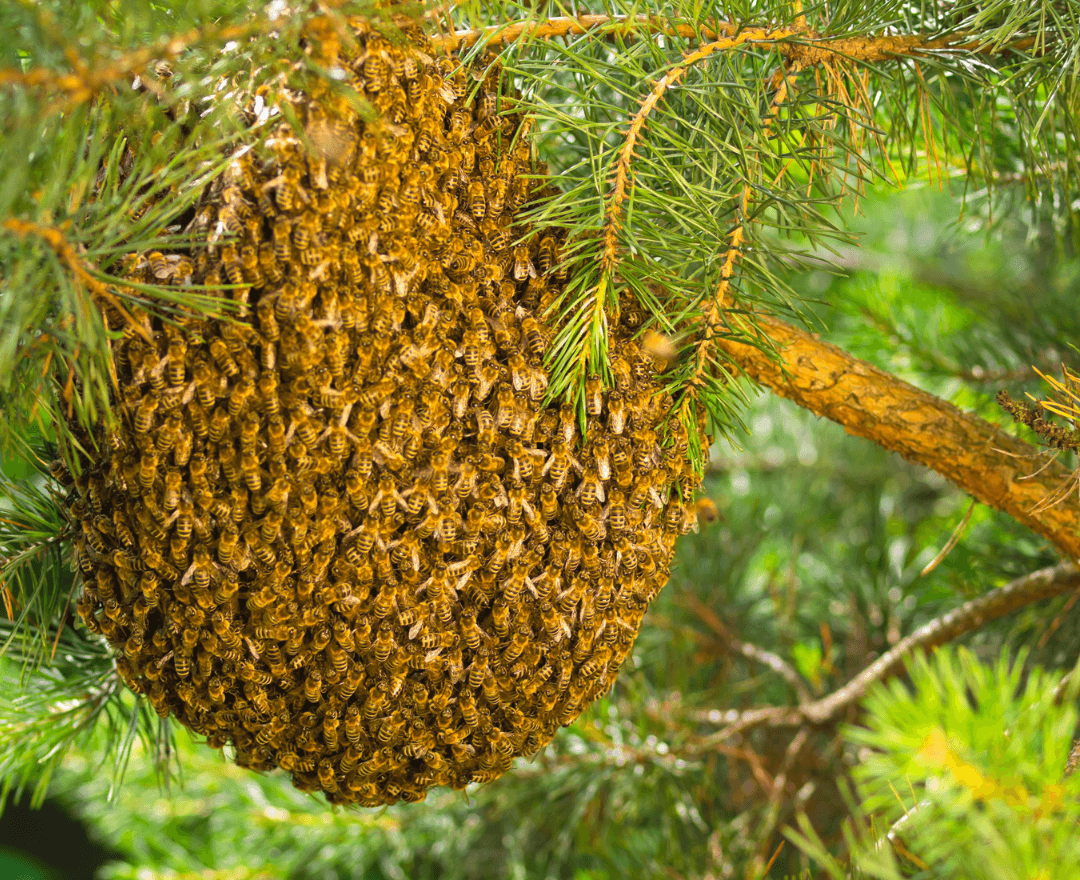
Image 3. A honey bee swarm resting on a tree branch during the colony's natural relocation process.
Not every large gathering of honeybees indicates an established beehive. During late spring and early summer, homeowners throughout Western New York may encounter a honeybee swarm — a temporary cluster of honeybees that can look alarming but is a natural part of the colony's life cycle.
A honeybee swarm occurs when a colony outgrows its current home and part of the colony leaves with the queen to establish a new nest elsewhere. During this process, thousands of honeybees may temporarily gather on a tree branch, shrub, fence, or other structure while scout bees search for a permanent location. Although the large number of bees can appear alarming, a honeybee swarm is usually less aggressive than an established hive because the bees have no hive or young to defend.
What Should You Do If You See a Honeybee Swarm?
If you encounter a honeybee swarm, avoid disturbing it and keep children and pets away from the area. In most cases, the swarm is only resting temporarily and will move within 24 to 48 hours as the colony relocates.
Because honeybees are valuable pollinators, Eco Serve Pest Services does not treat or remove honeybee swarms or hives. Instead, homeowners should contact a local beekeeper or bee relocation specialist who can safely remove and relocate the colony if necessary.
What Does a Wasp Nest Look Like?
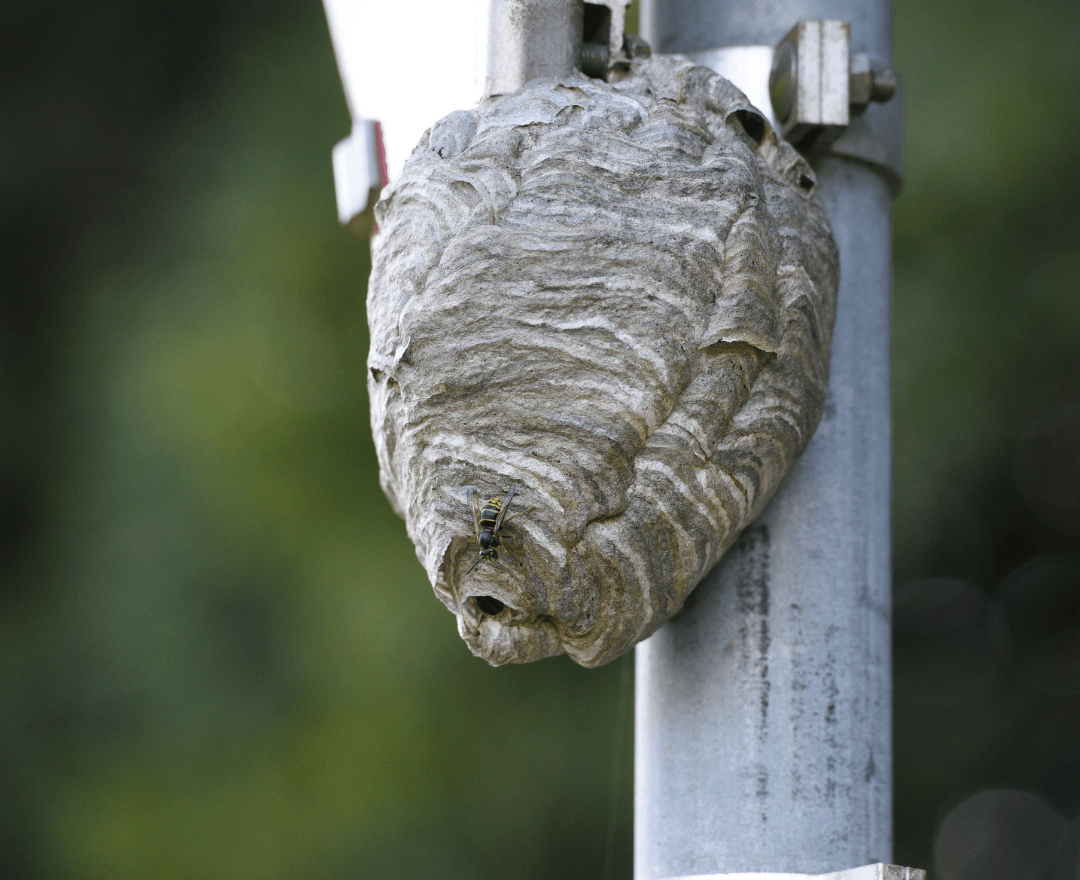
Image 4. A yellow jacket nest attached to a utility pole.
Wasp nests are usually made from paper-like material created by chewing wood fibers mixed with saliva. These nests are often gray, tan, or brown and may have a layered or swirled appearance.
Depending on the species, wasp nests may be found under roof eaves, attached to decks or railings, inside garages or sheds, in bushes and trees, or even underground in lawns and landscaping. Some nests start very small in spring but can rapidly expand during summer as colonies grow.
Common Signs of a Wasp Nest
You may notice aggressive wasp activity near outdoor gathering areas, frequent insect traffic around garbage or sugary foods, or visible paper-like nests attached to structures around the home. Wasps are generally more territorial than honeybees and may sting repeatedly if disturbed.
Common Types of Wasps Homeowners May Encounter
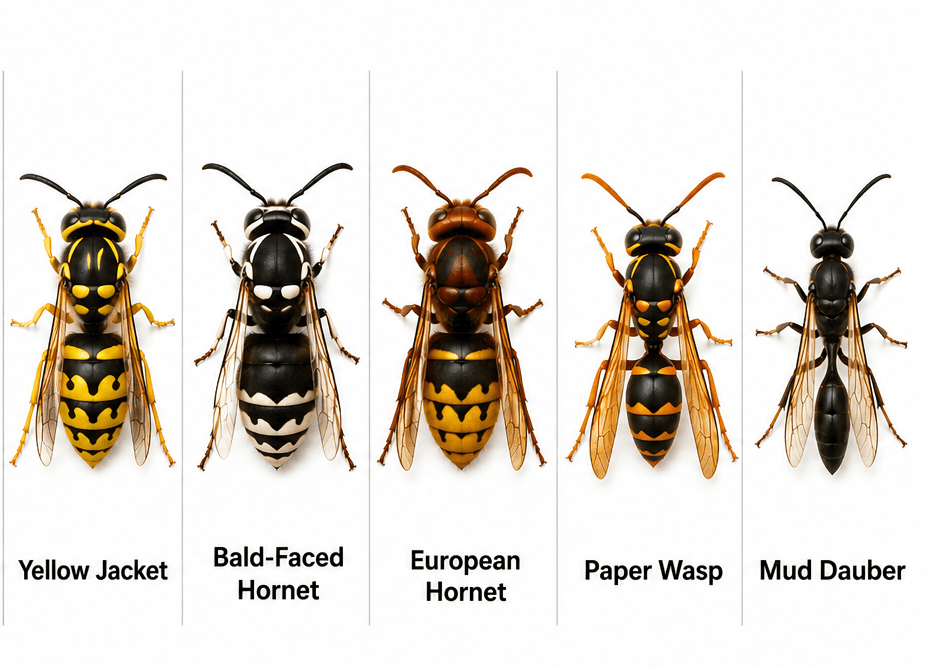
Image 5. Side-by-side comparison of common wasp species.
Not all wasps behave the same way, and identifying the species can help homeowners better understand the potential risks around their property. Some wasps build exposed hanging nests, while others prefer hidden or underground nesting areas.
Yellow Jackets
Yellow jackets are among the most aggressive stinging insects commonly found around homes during summer and early fall. In Western New York, homeowners typically encounter three common types of yellow jacket nesting activity:
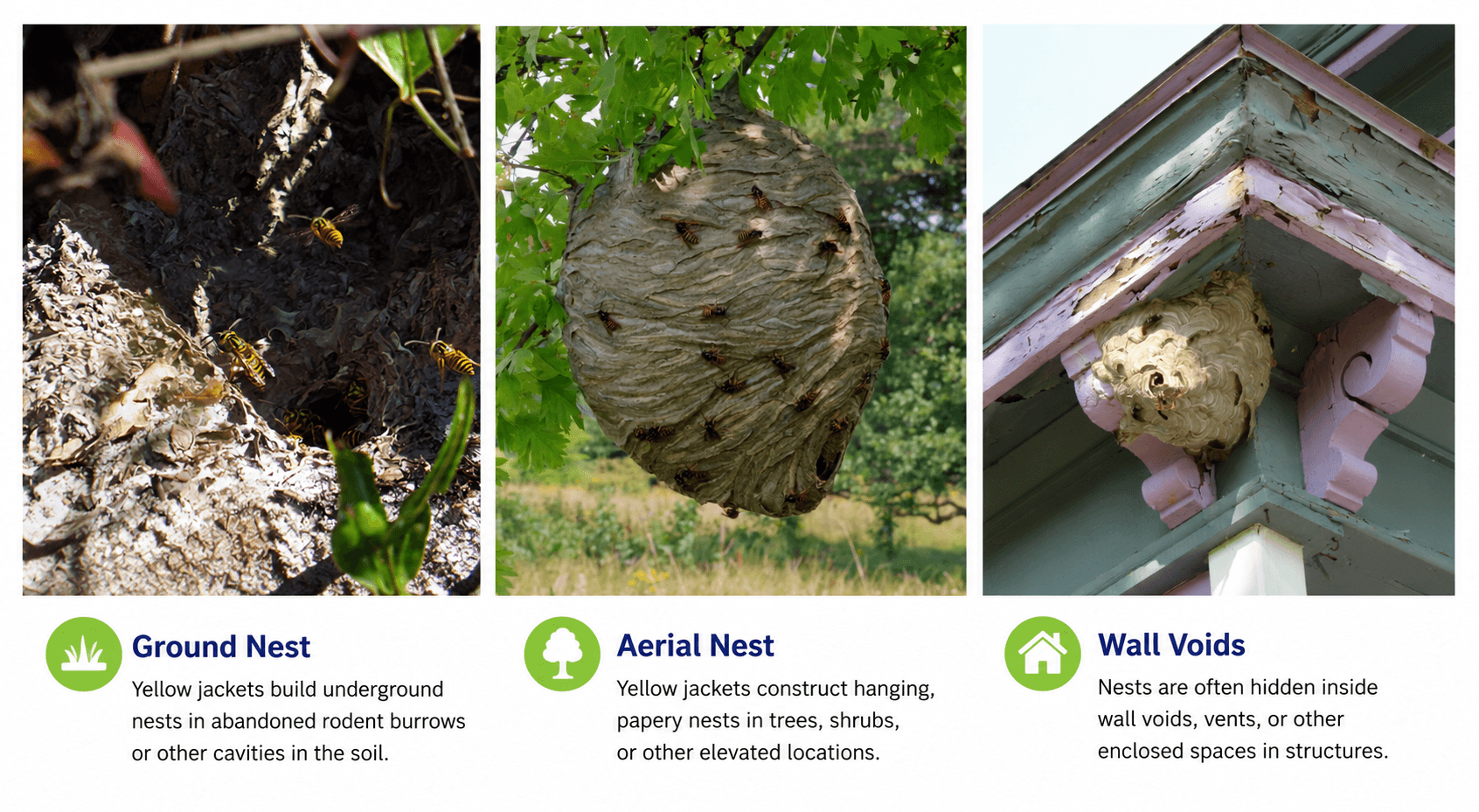
Image 6. Common yellow jacket nesting locations.
Ground Nests. These nests are often built underground in abandoned rodent burrows, landscaping voids, beneath porches, or along foundation edges. Because the nest entrance may be difficult to see, homeowners often discover them accidentally while mowing, gardening, or performing yard work.
Aerial Nests. Some yellow jacket species build exposed paper-like nests that hang from trees, shrubs, sheds, or other outdoor structures. These nests can grow rapidly throughout the summer.
Wall Void Nests. Yellow jackets may also establish colonies inside wall voids, attics, or other structural spaces. Homeowners often notice a steady stream of insects entering and exiting through small cracks, utility penetrations, light fixtures, siding gaps, or foundation openings.
In Buffalo and across Western New York, yellow jackets become especially active during late summer when outdoor gatherings, cookouts, and backyard activities increase. Because yellow jackets can become defensive very quickly, homeowners should avoid swatting at them or making sudden aggressive movements near active nesting areas. If yellow jackets begin flying around you, slowly backing away from the area is often safer than attempting to hit or disturb them.
Eco Serve Pest Services recommends avoiding DIY nest removal entirely, especially when yellow jacket activity is increasing or the nest location is unknown. Disturbing an active colony can quickly trigger aggressive swarming behavior, making professional inspection and treatment the safest option for homeowners and families.
Paper Wasps
Paper wasps build small open-comb nests that resemble upside-down umbrellas. Their nests are commonly attached to roof eaves, porch ceilings, railings, window frames, and outdoor furniture. Although paper wasps are typically less aggressive than yellow jackets, they may still sting if they feel their nest is being disturbed.
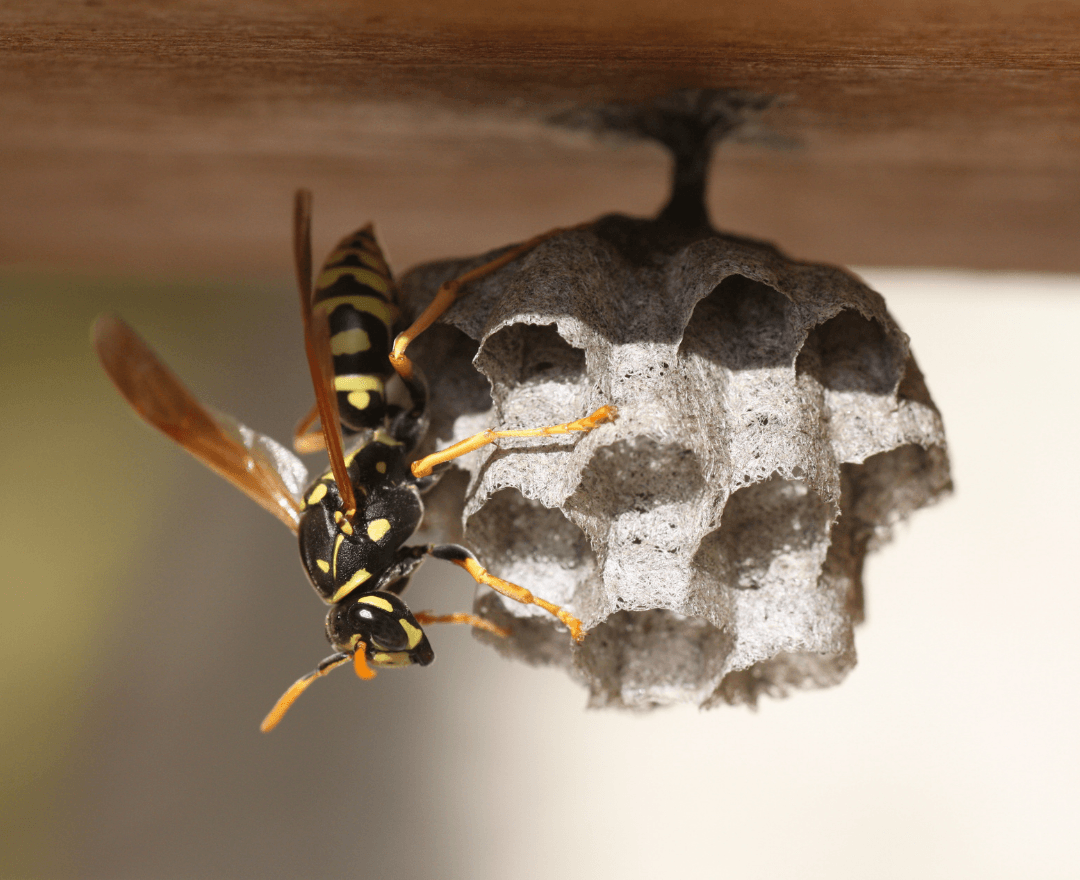
Image 7. A paper wasp constructing the first cells of a new nest.
Hornets
Hornets usually build larger enclosed paper nests that are often found in trees, shrubs, garages, or attached to the exterior of structures. Their nests are commonly gray and football-shaped with a layered paper appearance.
Homeowners throughout Buffalo and Western New York most commonly encounter bald-faced hornets and European hornets.
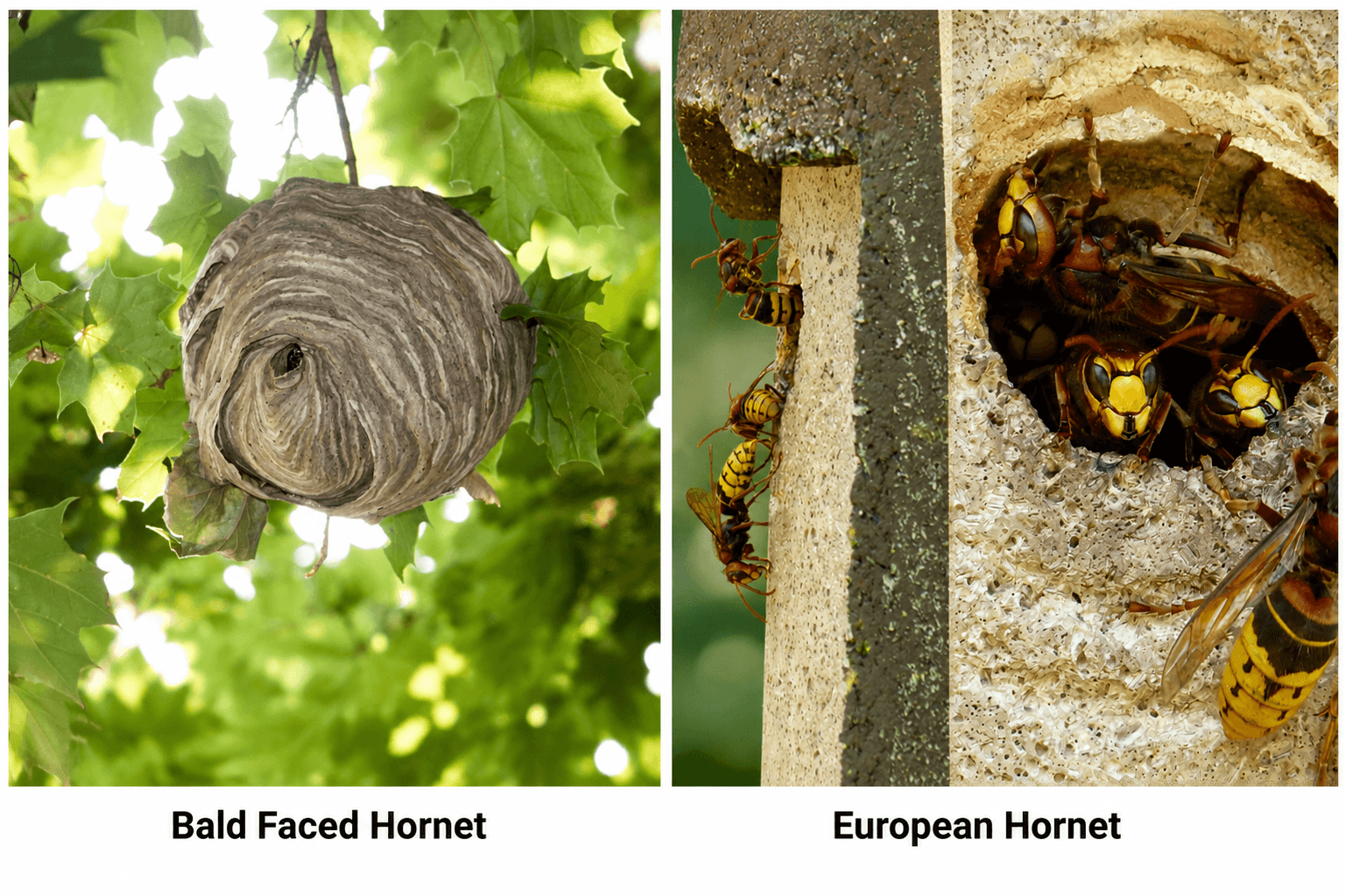
Image 8. Side-by-side comparison of a bald-faced hornet nest (left) and a European hornet nest (right).
Bald-faced hornets build large enclosed paper nests that are commonly found hanging from trees, shrubs, utility structures, and portions of the home. Their nests are often gray, football-shaped, and feature a distinct entrance opening near the bottom.
European hornets are larger than most wasps and are known for being attracted to outdoor lights after dark. They commonly nest inside hollow trees, wall voids, attics, and other sheltered spaces around homes.
Both species can become defensive around active nests and are capable of delivering painful stings, especially as colonies grow larger later in the season.
Mud Daubers
Mud daubers are solitary wasps that create tube-shaped nests made from mud. These nests are frequently found on walls, ceilings, garages, sheds, and under eaves. Unlike social wasps, mud daubers are generally non-aggressive and rarely sting unless directly handled. Understanding the type of wasp present can help determine whether professional treatment is necessary.
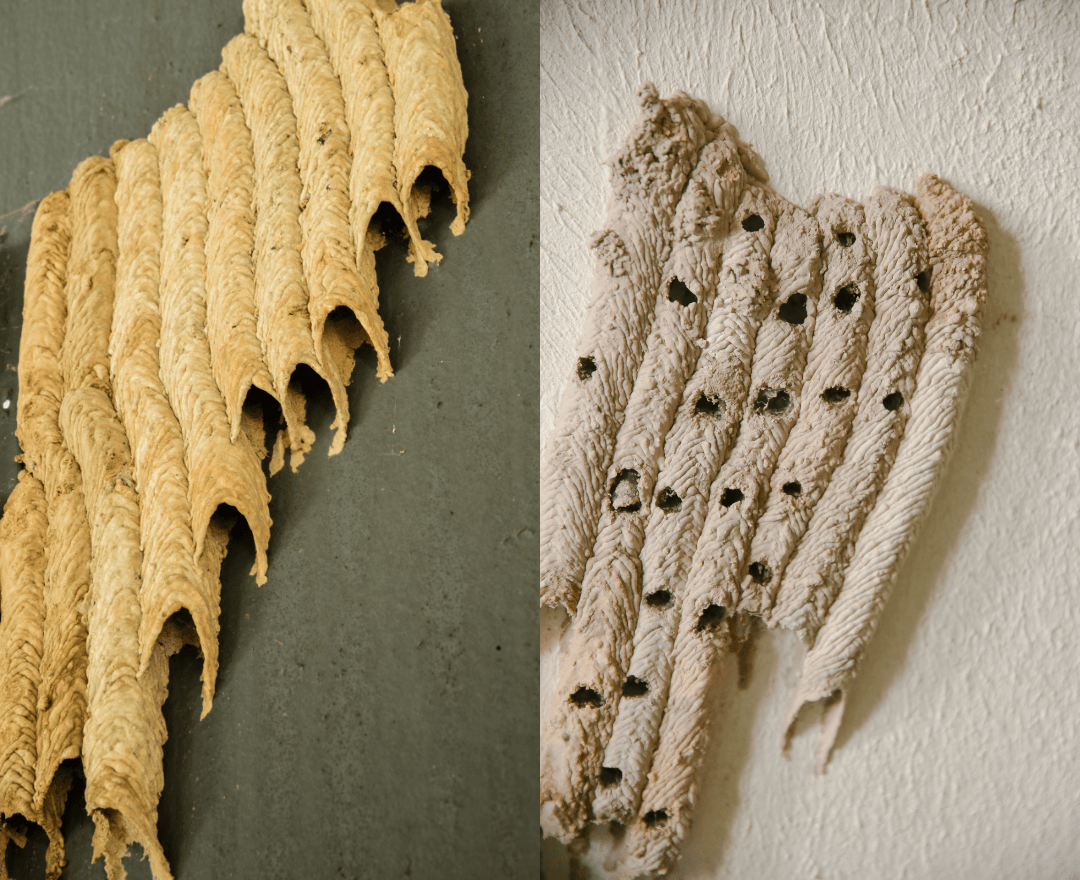
Image 9. A cluster of mud dauber nests built from mud.
Should You Remove a Beehive or Wasp Nest Yourself?
Stinging insects are more than just a backyard nuisance. According to the American College of Allergy, Asthma & Immunology (ACAAI), more than 500,000 people visit emergency rooms each year because of insect sting allergies. That's why it's important to take active nests seriously. An unexpected encounter can quickly turn a relaxing summer afternoon into a painful and potentially costly medical emergency.
Attempting to remove a nest yourself can be risky, especially if you are unsure whether you're dealing with honeybees or wasps. Disturbing an active colony may trigger defensive behavior and increase the likelihood of stings, particularly around children, pets, and high-traffic areas of the home.
When it comes to beehives, homeowners should avoid attempting to eliminate the colony whenever possible. Honeybees are valuable pollinators that play an important role in the environment, and in many cases, a local beekeeper or live bee removal specialist can safely relocate the hive without harming the honeybees.
Wasp nests, however, can present a more immediate safety concern. Nests located near entryways, windows, patios, decks, or play areas often become problematic as colonies grow throughout the summer. Because wasps are generally more aggressive and capable of stinging multiple times, DIY spraying or nest removal can quickly become dangerous.
At Eco Serve Pest Services, our team helps homeowners safely identify and treat active wasp nests throughout Western New York. Whether the nest is attached to the roofline, hidden inside a wall void, or developing near outdoor living spaces, professional treatment can help reduce the risk of stings while addressing the source of the activity safely and effectively.
Professional inspection is especially recommended when nest activity is increasing rapidly, the nest is difficult to access, or anyone in the household has a known allergy to bee or wasp stings. Our own President, Audrey, found out she is allergic to stinging insects, giving her an even greater appreciation for how important it is to stay aware of nest activity during the summer months. It's a reminder that while many stings cause only temporary pain, allergic reactions can be serious, making prevention and proper identification especially important.
Preventing Honeybee and Wasp Activity Around Your Home
Although not every nest can be prevented, homeowners can reduce the chances of attracting honeybees and wasps by making the property less appealing for nesting and food sources. Regular exterior maintenance and early prevention can often help reduce stinging insect activity before colonies become established.
- Keep Outdoor Areas Clean. Keep food covered, clean up spills, and seal trash cans to reduce attractants for wasps and yellow jackets.
- Move Grills Away From Seating Areas. Place grills away from patios and seating areas to help keep stinging insects away from guests.
- Trim Overgrown Vegetation. Trim shrubs, low branches, and dense vegetation to reduce potential nesting sites.
- Seal Cracks and Exterior Openings. Seal gaps around siding, vents, windows, and rooflines to help prevent nests inside wall voids and attics.
- Check for Underground Nesting Areas. Watch for increased wasp activity around holes in the ground, especially in lawns and landscaped areas.
- Use Decoy Nests Carefully. Fake nests may discourage new colonies in some situations when installed early in the season.
- Perform Seasonal Exterior Inspections. Inspect your property regularly during spring and summer to spot nests before they grow larger.
Beehive vs. Wasp Nest: Side-by-Side Comparison
The table below summarizes the key differences homeowners can use to tell a beehive and a wasp nest apart at a glance. In short: beehives are protected, wax-built colonies best left to a beekeeper, while wasp nests are paper-built and more likely to need professional removal.
| Factor | Beehive (Honeybees) | Wasp Nest |
|---|---|---|
| Nest material | Wax; recognizable honeycomb structure | Paper-like material from chewed wood fibers |
| Typical location | Wall voids, hollow trees, chimneys, attics (usually hidden) | Eaves, decks, sheds, bushes, or underground (often exposed) |
| Body appearance | Round, fuzzy, golden-brown | Smooth, shiny, narrow-waisted, bright yellow/black |
| Sting behavior | Can typically sting only once | Can sting multiple times |
| Aggression level | Generally calm unless hive is threatened | Territorial, especially in late summer |
| Role in ecosystem | Important pollinator | Beneficial predator of other insects |
| Eco Serve service | Refers homeowners to a local beekeeper for safe relocation | Professional inspection and removal available |
Table 1. Beehive versus wasp nest characteristics compared across the factors most relevant to Western New York homeowners.
The Eco Serve Perspective
After more than 26 years treating properties across Western New York, here's our honest take: not every nest needs to be eliminated — some need to be respected, and others need to be removed quickly. Honeybees are too valuable to the local ecosystem to treat as a pest problem, which is why we always point homeowners toward a beekeeper rather than spraying a hive ourselves.
Wasps, on the other hand, are a different story. Yellow jackets, hornets, and paper wasps can turn a backyard into a genuine safety hazard once a colony grows, and DIY spraying often just scatters an angry colony instead of eliminating it. Our recommendation for most homeowners is simple: leave honeybees alone and call a beekeeper, but don't wait on a wasp nest near doors, decks, or play areas — contact our team for a professional inspection before it grows larger and harder to manage.
As a woman-owned, family-operated local company, we'd rather correctly identify what's on your property in one visit than have you guess wrong and get stung. If you're unsure what you're looking at, a free quote and a conversation about your specific property costs nothing.
Frequently Asked Questions
Have a question we didn't cover here? Browse the full Eco Serve FAQ page or request a free quote and our team will help you confirm what's on your property and the right next step. You can also contact us directly.