

Why Crushing Stink Bugs Is a Terrible Idea (And What to Do Instead)
Bottom Line Up Front
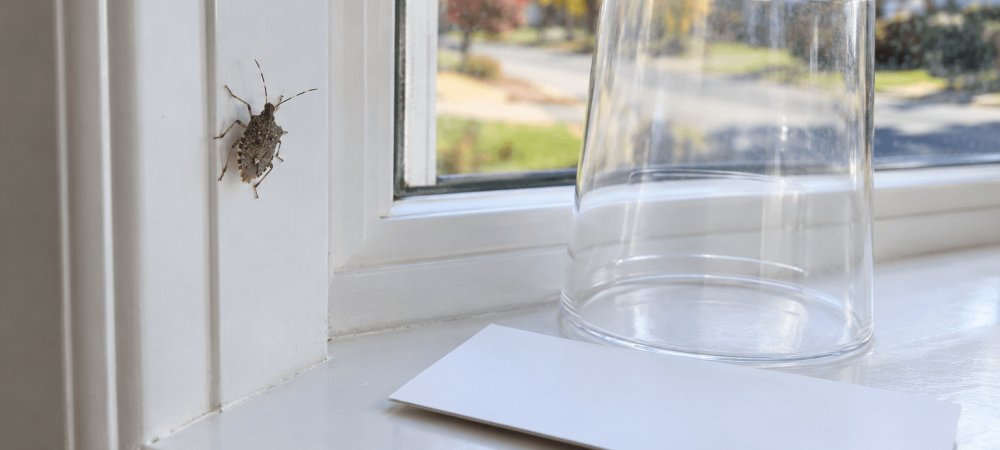
Do not crush a stink bug indoors. When threatened or squashed, it can release a strong defensive odor that may linger on your hands, furniture, curtains, or cleaning tools. Crushing one does not attract more stink bugs, but it creates an avoidable mess. Capture it with a cup and card, use a vacuum with a disposable bag for multiple insects, and focus on sealing the exterior gaps that allowed them inside.
TL;DR — Key Takeaways
- Crushing a stink bug activates its odor-producing defense and may leave smell or residue behind.
- The odor does not call more stink bugs into your home. Warm, protected overwintering spaces are the real attraction.
- For one insect, trap it under a cup, slide a stiff card underneath, and release or dispose of it outside.
- For several insects, vacuum them carefully, then remove and seal the bag promptly because the vacuum can retain the smell.
- Repeated fall or winter sightings usually mean stink bugs found entry points around windows, doors, siding, soffits, vents, or utility openings.
- A preventive home pest plan like Eco Serve's Premium Plus can target exterior entry areas before cooler weather arrives and provide ongoing help if covered pests appear indoors.
That Shield-Shaped Bug Has a Built-In Defense
When a stink bug lands on a wall or window, the quickest reaction may be to grab a tissue and squash it. That is exactly when its common name starts to make sense. Brown marmorated stink bugs have scent glands that produce a pungent defensive odor when the insects are disturbed or crushed.
In Western New York, the brown marmorated stink bug is the species homeowners commonly notice. Adults have mottled brown, shield-shaped bodies and alternating light and dark bands along the antennae and the exposed edges of the abdomen. They often become indoor nuisance pests as temperatures begin to drop.
The good news is that stink bugs found indoors do not reproduce inside the home, bite people or pets, or damage the building. The bad news is that one poorly timed swat can make a small nuisance much harder to ignore.
Why Crushing a Stink Bug Makes the Problem Worse
1. It releases the odor you were trying to avoid
The smell is a defense mechanism. Pressing, swatting, or squeezing the insect can release the compounds stored in its scent glands. The odor is often described as sharp, earthy, or similar to cilantro, and different people perceive it differently. Indoors, even one stink bug can make a noticeable impression.
2. The odor can cling to nearby materials
If the insect is crushed against painted drywall, fabric, carpet, upholstery, or a window covering, odor and residue may remain after the insect is gone. A vacuum can also pick up the smell, which is why using a bagged vacuum and disposing of the bag promptly matters.
3. It solves the sighting, not the entry problem
Removing the insect in front of you does not address the gap it used to enter. When stink bugs keep appearing near the same windows, sunny rooms, attic openings, or light fixtures, the more useful question is not "How do I kill this one?" It is "Where are they getting in?"
Does Killing a Stink Bug Attract More Stink Bugs?
No. The odor released by a crushed stink bug is defensive, not an invitation for more stink bugs to gather. Eco Serve's earlier guide on how to deal with stink bugs makes the same distinction.
What attracts stink bugs to buildings in fall is the chance to find a dry, protected place to spend the winter. Sun-warmed south- and west-facing exterior walls can become gathering areas. From there, the insects can slip through small openings around trim, siding, soffits, vents, utility penetrations, doors, and windows.
What to Do Instead of Crushing Stink Bugs
Choose the method based on how many insects you see and where they are located.
| Situation | Better Response | Why It Helps |
|---|---|---|
| One stink bug on a reachable surface | Cover it with a cup or container, slide a stiff card underneath, then carry it outside or dispose of it. | Avoids direct pressure on the insect and helps contain odor. |
| A few stink bugs near a window | Use a handheld or bagged vacuum on low suction, then quickly remove and seal the bag promptly. | Collects several insects while limiting contact with surfaces. |
| Stink bugs in a lampshade or delicate area | Turn off the light, let the fixture cool, and guide the insect into a container. | Reduces the chance of stains, damage, or odor in a hard-to-clean location. |
| Repeated sightings over days or weeks | Inspect and seal likely entry points; consider a professional assessment if activity is significant. | Addresses how the insects are getting inside instead of removing them one at a time. |
Table 1. Odor-conscious ways to respond to common indoor stink bug situations.
A Simple Cup-and-Card Method
- Place a clear cup or small container over the stink bug.
- Slide a postcard, junk-mail card, or another stiff piece of paper between the surface and the rim.
- Keep the card pressed against the cup as you lift it.
- Carry the insect outdoors and release it away from the doorway, or seal it in a bag for disposal.
Move slowly. A calm capture is less likely to trigger the stink bug's defensive response than poking, pinching, or swatting it.
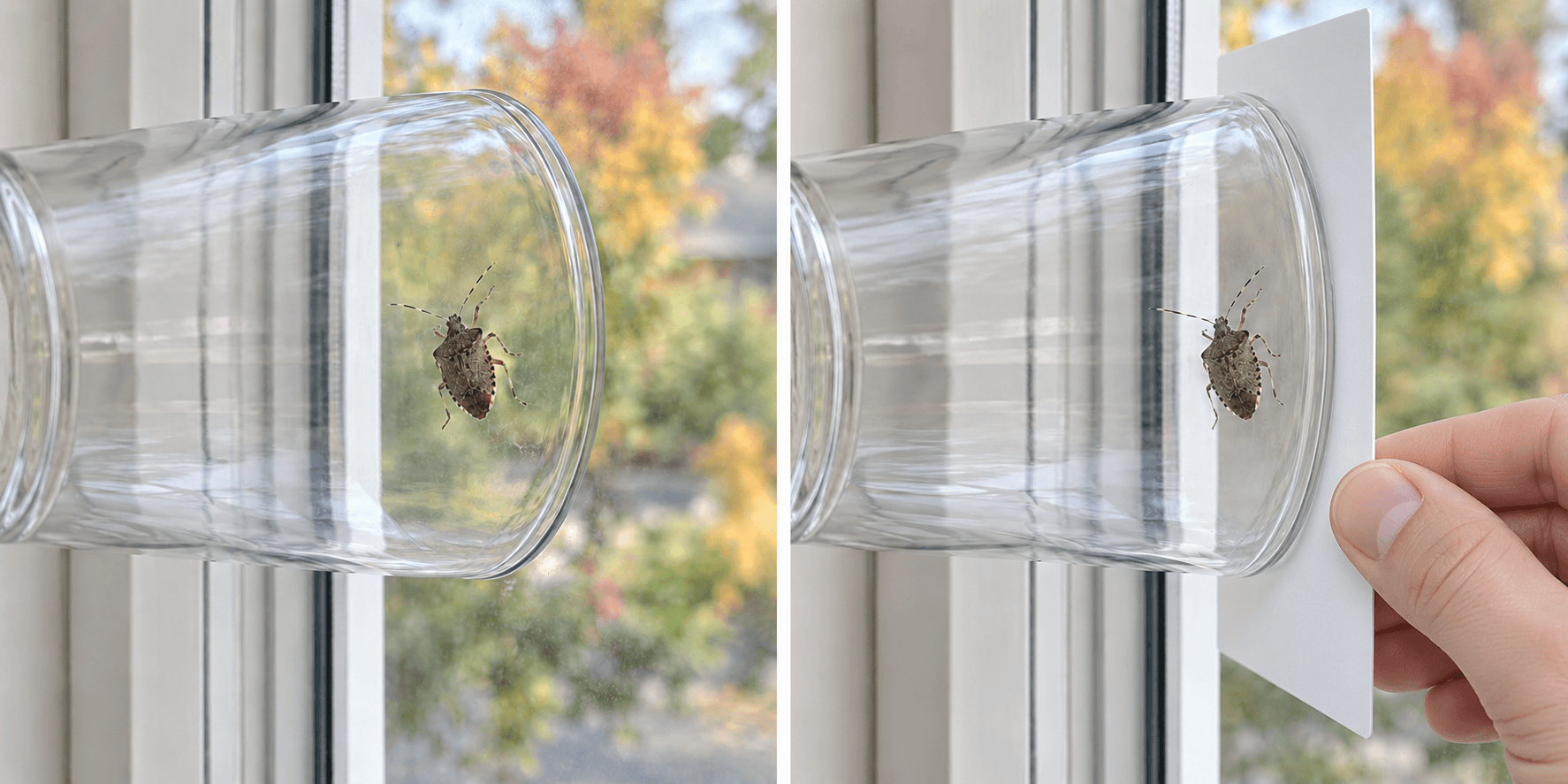
Image 2: Place a clear cup over the stink bug, then gently slide a stiff piece of paper or card underneath to contain it without crushing it.
If You Use a Vacuum, Plan for the Smell
The U.S. Environmental Protection Agency notes that live and dead brown marmorated stink bugs can be vacuumed, but the vacuum may smell afterward. A model with a disposable bag is easier to manage than a bagless unit because the bag can be removed, sealed, and discarded. Avoid allowing collected insects to remain inside the vacuum.
For a bagless vacuum, empty the canister outdoors immediately and clean it according to the manufacturer's directions. If stink bugs are a recurring seasonal problem, some homeowners reserve an inexpensive handheld or shop vacuum for pest pickup rather than using the main household vacuum.
Why Stink Bugs Show Up Inside Western New York Homes
Stink bugs are one of several overwintering pests that can appear indoors after entering a structure in late summer or fall. They are not moving indoors to start a new household infestation. They are looking for shelter from cold weather.
Once hidden in wall voids, attics, and other protected spaces, they may remain quiet for long periods. Indoor heat or a sunny winter afternoon can make some of them active. They then move toward light, which is why homeowners often find them around windows even when snow is on the ground.
This timing also explains why interior removal is only part of the solution. By the time stink bugs are crawling through a living room in January, many others may already be tucked inside inaccessible spaces. Prevention works best before they enter.
How to Help Keep Stink Bugs Out
- Caulk gaps around exterior window and door frames.
- Repair damaged screens and make sure vents are properly screened.
- Replace worn weatherstripping and install door sweeps where daylight is visible.
- Inspect seams where siding, trim, soffits, and the foundation meet.
- Seal openings around utility lines, pipes, cables, and outdoor faucets with an appropriate material.
- Check attic and crawlspace access points, chimney caps, and other upper-level openings.
- Pay special attention to south- and west-facing walls where insects gather on warm fall afternoons.
Do not seal over active electrical, plumbing, ventilation, or moisture problems. Larger repairs or openings in difficult locations may require the appropriate qualified contractor.
How a Preventive Home Pest Plan Can Help
Sealing accessible gaps is an important first step, but homes with recurring seasonal activity may also benefit from a preventive plan such as Eco Serve's Premium Plus. Before cooler evenings prompt stink bugs and other overwintering pests to seek shelter, service specialists can target key exterior areas where pests tend to gather or enter. Depending on the home and pest pressure, this may include the perimeter, window and door frames, siding transitions, soffits, eaves, and utility openings. The goal is to help create a protective barrier before pests move into wall voids, attics, and living spaces.
If covered pests do get inside, ongoing service and targeted interior treatment may be recommended where appropriate. Premium Plus also includes long-term warranty coverage and protection for a range of common household pests found in Western New York, so the plan can help with more than one seasonal concern. Coverage and treatment recommendations depend on the pest and the conditions at the home, and a service specialist can explain what is included.
What About Sprays and Indoor Foggers?
Aerosol products may kill individual stink bugs, but they do not close entry points or stop additional insects already hidden in wall voids from emerging. Indoor foggers are not a long-term solution for an overwintering pest problem. If you use any pesticide, use only a product labeled for the pest and location, and follow every label direction.
For recurring or high-number activity, the most useful professional approach begins with identification, timing, and a careful exterior inspection. A targeted plan can focus on likely entry areas and the season when prevention is most effective.
When to Call Eco Serve Pest Services
One stink bug near a window is usually manageable with a cup and card. Consider professional help when you are seeing them repeatedly, finding clusters on exterior walls, noticing activity in several rooms, or dealing with openings that are difficult to inspect safely.
Eco Serve Pest Services helps homeowners across Western New York with residential pest control and seasonal pest concerns. Our service specialists can identify the pest, inspect likely entry areas, and recommend a strategy based on the home and the level of activity. Contact Eco Serve to talk through what you are seeing and the best next step.
The Better Move: Remove the Bug, Then Find the Gap
Crushing a stink bug may feel fast, but it trades one visible insect for an odor problem and leaves the real issue untouched. Capture or vacuum the insects carefully, dispose of them promptly, and pay attention to where they keep appearing. Those patterns can help point to the openings that need attention before the next wave of overwintering pests arrives.
For more seasonal guidance, read Eco Serve's guide to boxelder bugs and other pests you might see inside during winter.
Frequently Asked Questions
Have a question we didn't cover here? Visit our Contact Us page, or browse the full Eco Serve FAQ page for answers to common questions about stink bugs and other pests throughout Western New York.