Want to learn from the pest control experts? We’ve got you covered. Our blog is your one-stop resource for information on how to prevent pests and make the most of your treatments.
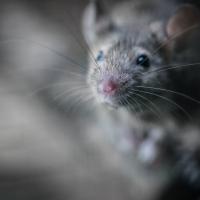
When temperatures drop in Buffalo, Orchard Park, Williamsville, Tonawanda, Amherst, and Cheektowaga, rodents move indoors for warmth and food. Fall and winter are peak rodent seasons because mice and rats squeeze through tiny gaps around foundations, doors, and utility lines.
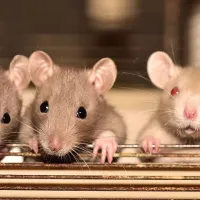
Rats and mice are common pests that can cause a host of problems if they infest your home or property. In Tonawanda, New York, these rodents can be particularly troublesome due to the colder climate and abundance of potential nesting sites.
As the seasons change, so do the types of pests that can invade your home in Tonawanda. From rodents seeking shelter in the colder months to insects looking for food and water during the warmer seasons, it's important to stay on top of pest control throughout the year.
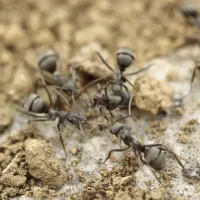
There are many different types of ants in upstate NY that are looking for a way inside your home. Learn more about the types of ants you may encounter and how to stop an infestation.
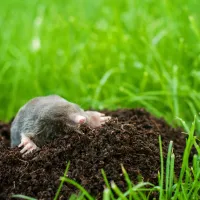
Moles and voles can be destructive to your lawn. The damage they create can be unappealing as well as attract other pests. While they offer a bit of environmental benefit in aerating the soil with their digging, having them in your garden can be a bother.
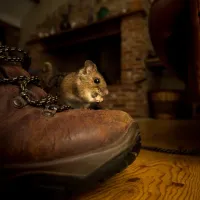
While visual evidence of a mouse (living or dead) is the most obvious sign that you have a mouse problem, there are other ways to tell if your house is hosting unwanted visitors.
Not every pest control company handles yellow jackets the same way, and hiring the wrong one can mean a nest that gets disturbed rather than removed. Before booking an exterminator in Buffalo, Amherst, Cheektowaga, or elsewhere in Western New York, homeowners should compare licensing, treatment methods, nest expertise, response time, and guarantees, the details that separate a lasting fix from a quick spray.
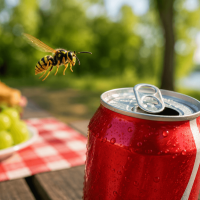
We promise you aren't imagining things — yellow jackets really do get meaner as summer winds down. By late summer, colonies have reached their largest size, their usual food supply starts running short, and workers shift from hunting insects to scavenging sugary human food.
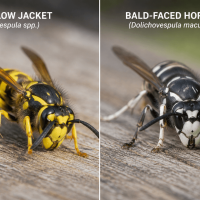
Learn how to identify the differences between yellow jackets and bald-faced hornets, including their appearance, size, nesting habits, behavior, and seasonal activity in Western New York.
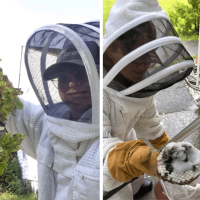
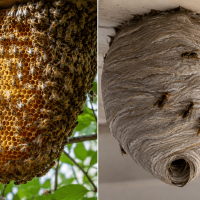
Learn how to tell the difference between a beehive and a wasp nest by comparing their materials, locations, appearance, occupants, sting behavior, and potential risks. This guide also explains when Western New York homeowners should contact a beekeeper or a pest control professional.
For Buffalo-area families, professional tick and mosquito control from a licensed, eco-friendly company reduces disease risk and is safer than repeatedly over-applying consumer pesticides around children and pets.
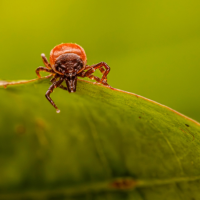
Tick activity rises sharply across Western New York every late May and June, driven by warming temperatures, high humidity, and the wildlife that carries these pests into local yards year-round. Once ticks establish themselves on a property, they spread quickly between yards, pets, and homes — and can transmit Lyme disease, anaplasmosis, and other illnesses along the way.
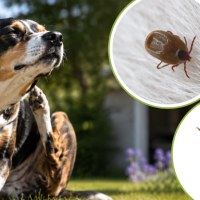
Ticks and mosquitoes aren't just a backyard nuisance in Erie County — they can transmit Lyme disease, heartworm, and West Nile virus to dogs and cats. Keeping pets safe takes a layered approach: pet-friendly yard maintenance, regular veterinary care and following your veterinarian's recommended preventive treatments, along with professional barrier treatments from Eco Serve.
For Buffalo-area families, professional tick and mosquito control from a licensed, eco-friendly company reduces disease risk and is safer than repeatedly over-applying consumer pesticides around children and pets.
As temperatures begin to rise and the ground thaws, spring signals more than just blooming flowers—it marks the start of peak pest activity. After months of dormancy, many insects and pests become active again, searching for food, water, and places to reproduce.